Tanzvergnügen der Mozartzeit
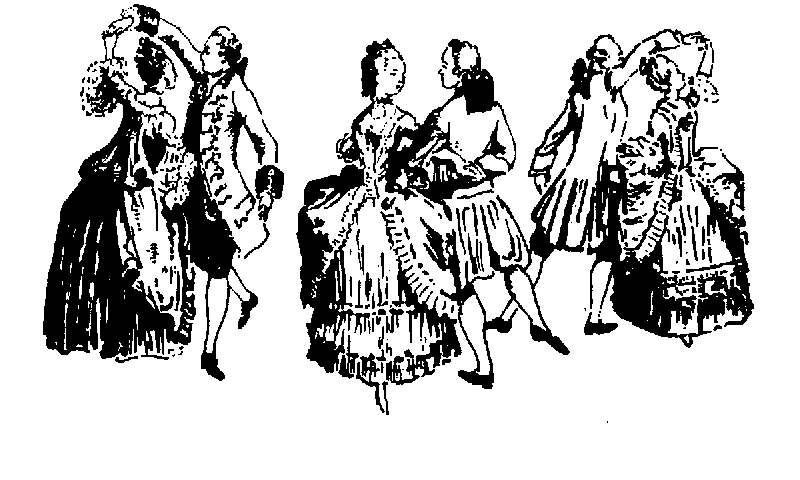
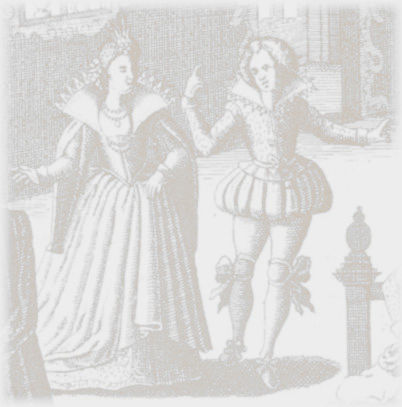
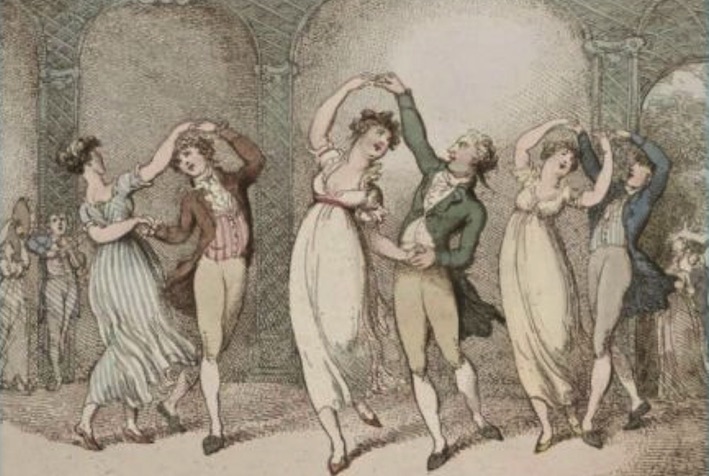
Ein Freund der Mozarts notierte 1775 in sein Tagebuch: „Wir tanzten 3 Contredanses und 1 neue Quadrille, es war sehr lustig.“ Wir lassen an diesem Wochenende die beliebten Kontretänze der Mozart-Zeit wieder aufleben und tanzen zu Mozarts wunderschöner Tanzmusik Choreografien deutscher und französischer Tanzmeister des 18. Jahrhunderts. Mit einer Einführung in die überlieferten Schritte dieser Zeit. Grundlage sind die beiden Bücher mit CD von Verena Brunner, die beim Kurs auch erworben werden können. Der Kurs richtet sich an Anfänger wie auch fortgeschrittene Tänzer*innen, Einzelpersonen sind ebenso willkommen wie Tanz-Paare.

Beginn : Samstag 14.00 Uhr, Ende Sonntag 15.30 Uhr

Beitrag für Unterkunft, Verpflegung und Seminar

Mitglieder LAG Tanz 90.-

Nichtmitglieder 100.-

Schüler/Studenten 70.-

Nachlass 10.- bei Anmeldung vor dem 1.2.2020

Einzelzimmerzuschlag 10.-

Anmeldeschluss : 27.2.2020


Anmeldung bitte über die homepage der LAG Tanz https://www.lag-tanz-bw.de/programm/A.06

p { margin-bottom: 0cm; direction: ltr; color: rgb(255, 0, 0); text-align: center; }p.western { font-family: "Times New Roman", serif; font-size: 14pt; font-weight: bold; }p.cjk { font-family: "Times New Roman", serif; font-size: 14pt; font-weight: bold; }p.ctl { font-family: "Times New Roman", serif; font-size: 14pt; }a:link { color: rgb(0, 0, 255); } p { margin-bottom: 0cm; direction: ltr; color: rgb(255, 0, 0); text-align: center; }p.western { font-family: "Times New Roman", serif; font-size: 14pt; font-weight: bold; }p.cjk { font-family: "Times New Roman", serif; font-size: 14pt; font-weight: bold; }p.ctl { font-family: "Times New Roman", serif; font-size: 14pt; }a:link { color: rgb(0, 0, 255); } p { margin-bottom: 0cm; direction: ltr; color: rgb(255, 0, 0); text-align: center; }p.western { font-family: "Times New Roman", serif; font-size: 14pt; font-weight: bold; }p.cjk { font-family: "Times New Roman", serif; font-size: 14pt; font-weight: bold; }p.ctl { font-family: "Times New Roman", serif; font-size: 14pt; }a:link { color: rgb(0, 0, 255); }
  • Workshop
  • Rococo
  • All levels

Spring Gran Ball at Palazzo Pucci, Firenze

Spring Grand Ball at Palazzo Pucci

19th Century Ball 

20.3.2021, Palazzo Pucci

Via de’ Pucci 2, Firenze 


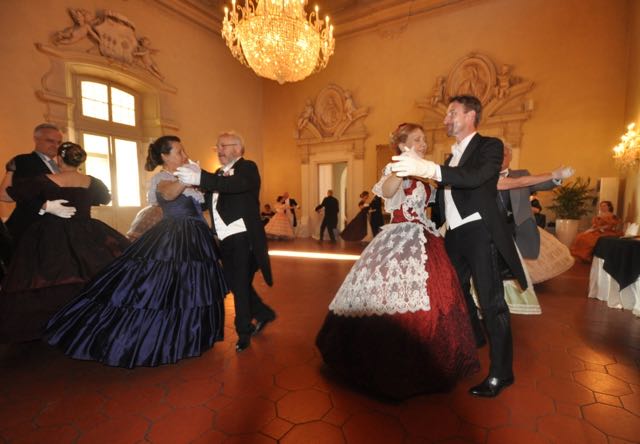
Società di Danza Firenze organizes the Spring Grand Ball at Palazzo Pucci, a 19th Century Grand  Ball in the marvellous historic Palazzo Pucci in the heart of Florence.

Waltzes, quadrilles, polka and mazurkas, contredanse and marches, galop and country dances.

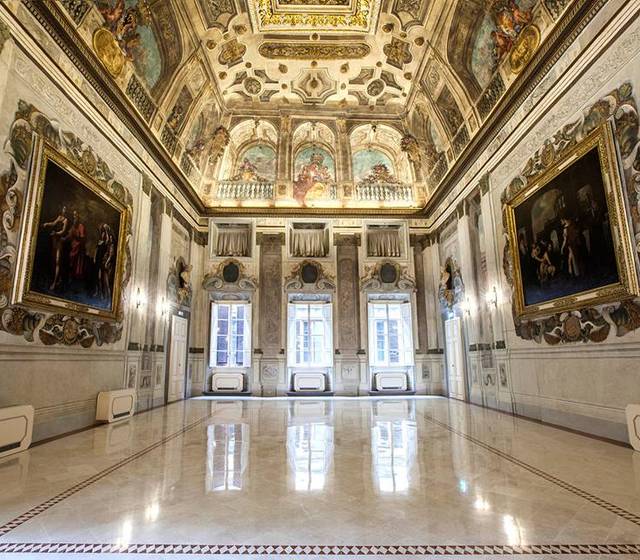
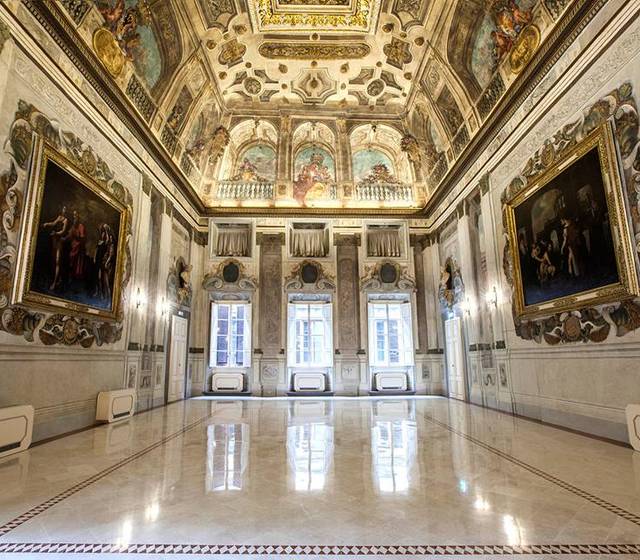
The ball will take place in the Salone di Apollo and Sala di Paride in the special ancient Palazzo Pucci.

The dance program will be available in advance for the participants.

The historic Palazzo Pucci is an important historic residence in Florence.

Through the monumental staircase you can reach the first floor where there are the splendid decorated rooms, with frescoes, paintings, valuable sculptures, the Hall of Apollo and the Hall of Paris with frescoes by important artists of the 1500s. 

The first nucleus of the Palace dates back to 1480, built and belonged to the family of Antonio Pucci, then expanded with architectural interventions by famous architects and artists including Giovanni da San Giovanni, Jacopo Chiavistelli and Giovanni Domenico Ferretti. In 1901 it was declared a national artistic heritage by the General Direction of Antiquities and Fine Arts. 

It is located in the street of the same name, a few steps from the Duomo of Florence and can be easily reached on foot from the S. Maria Novella station

Participation by invitation. 

Limited number of participants.

Dress code: 19th Ball dress romantic period.

To participate contact

Società di Danza Firenze

Firenze@societadidanza.it

www.societadidanza.it

  • Ball
  • 19th century
  • All levels

Christmas Ball 2019

Christmas Ball

19th Century Ball 

8.12.2019, Villa Viviani

Via G.  D'Annunzio 230, Firenze 


Società di Danza Firenze organizes a christmas 19th Century Grand  Ball in the beautiful Villa Viviani  

Waltzes, quadrills, polka and mazurkas, contredanse and marches, Scottish country dances.

The ball will take place in the charming ancient salon of Villa Viviani.

The historical villa has also a beautiful italian garden with a scenographic view of the City  

The buffet will be served at the of the Ball.

Participation by invitation. 

Dress code: 19th Ball dress romantic period.

To participate contact

Società di Danza Firenze

Firenze@societadidanza.it

www.societadidanza.it

Garden view (58.93 KB)
The Villa (35.2 KB)
  • Ball
  • 19th century
  • All levels

Grand Ball 'della Seta' 2020, Pisa

Gran Ballo della Seta 2020, Pisa

19th Century Grand Ball 

26.4.2020, Villa della Seta di Corliano

San Giuliano Terme (Pisa)


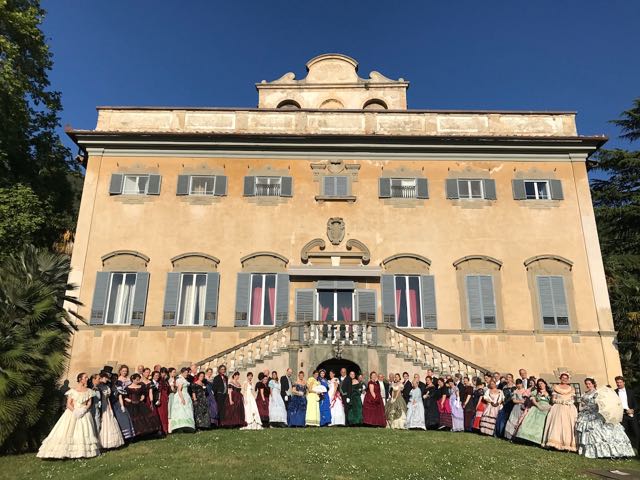
Circolo Pisano della Società di Danza organizes anreconstruction of a 19th Cenntury grand Ball in the marvellious historical Villa Agostini della Seta di Corliano, close to Pisa.

Quadrilles, waltz, polka and mazurkas, contredanse and marches, Scottish country dance and aglio.

The ball will take place in the elegant and charming main salon with ancient frescoes of Villa della Seta di Corliano.

A tea buffet will be served in the beautiful park with secular plants.

Villa di Corliano is recognized as one of the most beautiful renaissance Villas in Tuscany. Participation by invitation. 

Dress code: 19th Ball dress romantic period.

To participate contact

Circolo Pisano della Società di Danza

pisa@societadidanza.it

www.societadidanza.it

Grand Ball (153.54 KB)
  • Ball
  • 19th century
  • All levels

28th EASTER SCHOOL of 19th CENTURY SOCIAL DANCE and Scottish Country Dance

28th Easter School of 19th century dance and Scottish Country Dance - Società di Danza

Friday, 10 April  - Monday 13 April 2020

Castel San Pietro (Bologna), Italy

Società di Danza

Director: F. Mòllica, S. Balsamo

With the participation as guest teacher of Rachel Shankland (RSCDS)

Live music for Scottish Country Dance classes and Scottish Party by Ian Robertson (violin) and Andrew Nolan (piano)

The traditional Easter School of the Società di Danza this year will be in Castel San Pietro (Bo).

In a beautiful environment, we will have the opportunity to spend a few days of communuty life, and to study more in depth theoretical and practical aspects of 19 Century dance.


Program: social dance of 19th century tradition.

Quadrilles, Scottish Country Dance, Contredanse Francaise, Waltz, Polka, Mazurka and March.

The classes will be divided into Turner levels. 

Classes and seminars will be held both morning and afternoon.
 

The evenings will be devoted to parties.

Staying at the Hotel Castello.

From Friday evening at dinner to Monday morning at lunch.

_______


Program


Friday, 10.4.2020

Afetrnoon: arrival

Evening: Theoretical seminar: culture and art in 19th century dance in today’s life


Saturday, 11.4.2020

Morning: Classes of Quadrille, Scottish Country Dance, Waltz

Afternoon: Classes of Mazurka, Scottish Country Dance, Contradanse Francaise

Seminar: the dance Systems of Società di Danza

Evening: Party of 19th century dance


Sunday, 12.4.2020

Morning: Classes of Quadrille, Scottish Country Dance, Mazurka

Afternoon: Classes of Waltz, Scottish Country Dance, Polka

Seminar: history of 19th century dance

Evening: Party of Scottish Country Dance


Monday 13.4.2020

Morning: Classes of Quadrille, Scottish Country Dance, Mazurka and Polka

      Farewell Party


For further information contact: Società di Danza

info@societadidanza.it      -      www.societadidanza.it

  • Workshop
  • 19th century
  • All levels

"Bailles y Danzas y Folias" - Spanische Tänze und Tanzmusik um 1600

Submitted by Henriette on

"Bailles y Danzas y Folias" - Spanische Tänze und Tanzmusik um 1600

(Tanz- und Ensemblekurs)


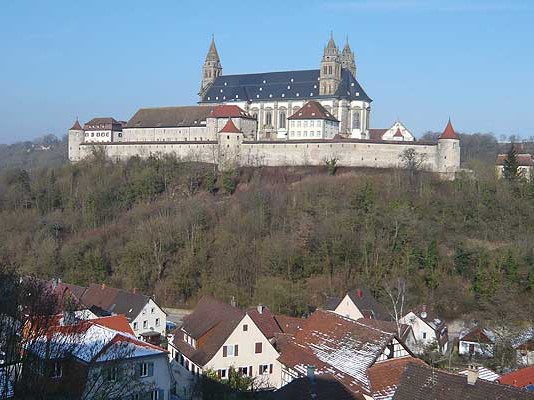
Im Rahmen der Schwäbisch Haller Sackpfeifertage gibt es auch 2020 wieder einen interessanten Tanzkurs. Die Schwäbisch Haller Sackpfeifertage finden schon in jahrzehntelanger Tradition auf der idyllisch gelegenen, historischen Klosterburganlage der Comburg statt. Auch dieses Jahr erwartet uns Teilnehmer wieder ein reizvolles Thema:

El Canario, las Folias, die spanische Pavan, der katalanische Stocktanz ‚Bal de Bastons‘ – das sind einige der Tänze, mit denen wir uns in zwei Parallelkursen zu Musik und Tanz von der iberischen Halbinsel zwischen Renaissance und Barock beschäftigen wollen.  

Tanz war um 1600 nicht nur ein Zeitvertrieb, sondern er war für die damalige Europäer*innen eine Schulung der Körper- und Geisteshaltung, also dasselbe, was Yoga, Tai Chi, Feldenkrais und andere Therapien für uns sind! 

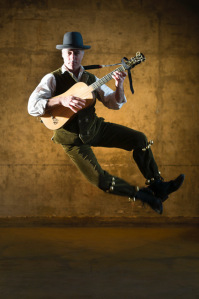
Der Tänzer, Musiker, Akrobat, Clown und Scholar Steve Player wird wieder die Tänzer*innen anleiten (Anleitung auf Englisch). 

Parallel wird der Dudelsack-, Schalmei-und Zinkvirtuose Ian Harrison die Musiker*innen unterrichten, die auch die Grundschritte lernen werden, bevor er mit ihnen die Begleitung zu den Tanzchoreographien einstudiert.  Ziel ist es, durch die Kombination der beiden Kurse, zu den Grundformen einige Variationen zu lernen und einzusetzen, und die Arrangements auf Spieler*innen und Tänzer*innen abzustimmen.

  • Workshop
  • Spanish baroque
  • Beginner

Steven Player

Submitted by Henriette on

Steven Player


ist auf den Bühnen der Alte-Musik-Szene international als Tänzer, Instrumentalist und Schauspieler bekannt. Häufig kombiniert er alle drei Disziplinen gleichzeitig und ist damit weltweit ein gefragter Solointerpret, Lehrer und Partner zahlreicher Ensembles. So hat er in Nordamerika u.a. mit Apollo’s Fire und La Nef gearbeitet und in Europa u.a. mit den Gruppen Los Otros, The Harp Consort, The Early Folk Band und The Alehouse Boys. Mit der Society of Strange and Ancient Instruments hat er mit dem Programm „Nine Daies Wonder“ eine neue Interpretation der Morris Dances geschaffen.

Mit Begeisterung unterrichtet Steven Kinder, Profimusiker und Laien aller Altersstufen.  Dabei ist es sein Ziel, die enge Verknüpfung zwischen Musik und Tanz wieder deutlich zu machen und dadurch die Trennung zwischen aktivem Musizieren und passivem Zuhören aufzulösen, die sich durch den modernen Konzertbetrieb entwickelt hat.

Henriette