Vasos comunicantes: Moda bolera y Danza Española en el Siglo XVIII - Communicating vessels: Bolero fashion and Spanish dance in the 18th century
 

Information and Registration: https://eventos.urjc.es/148391/detail/cv-11-indumentaria-escenica-patri…

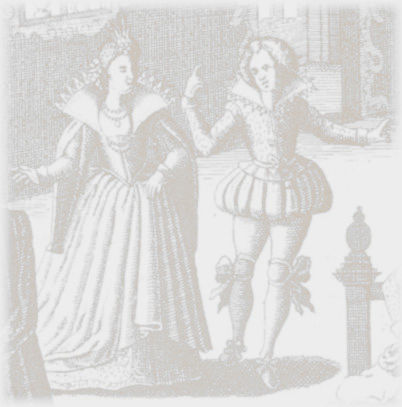
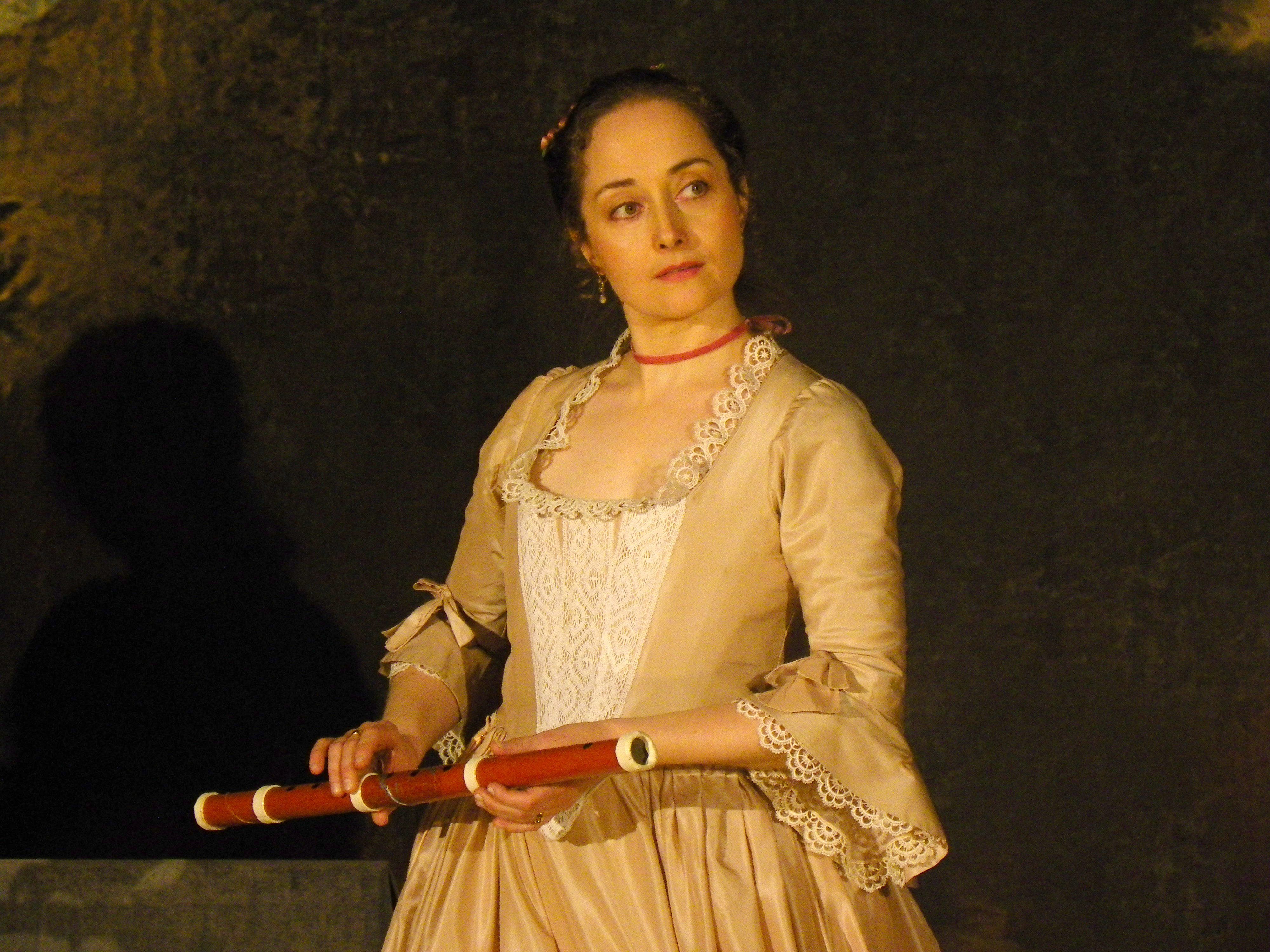
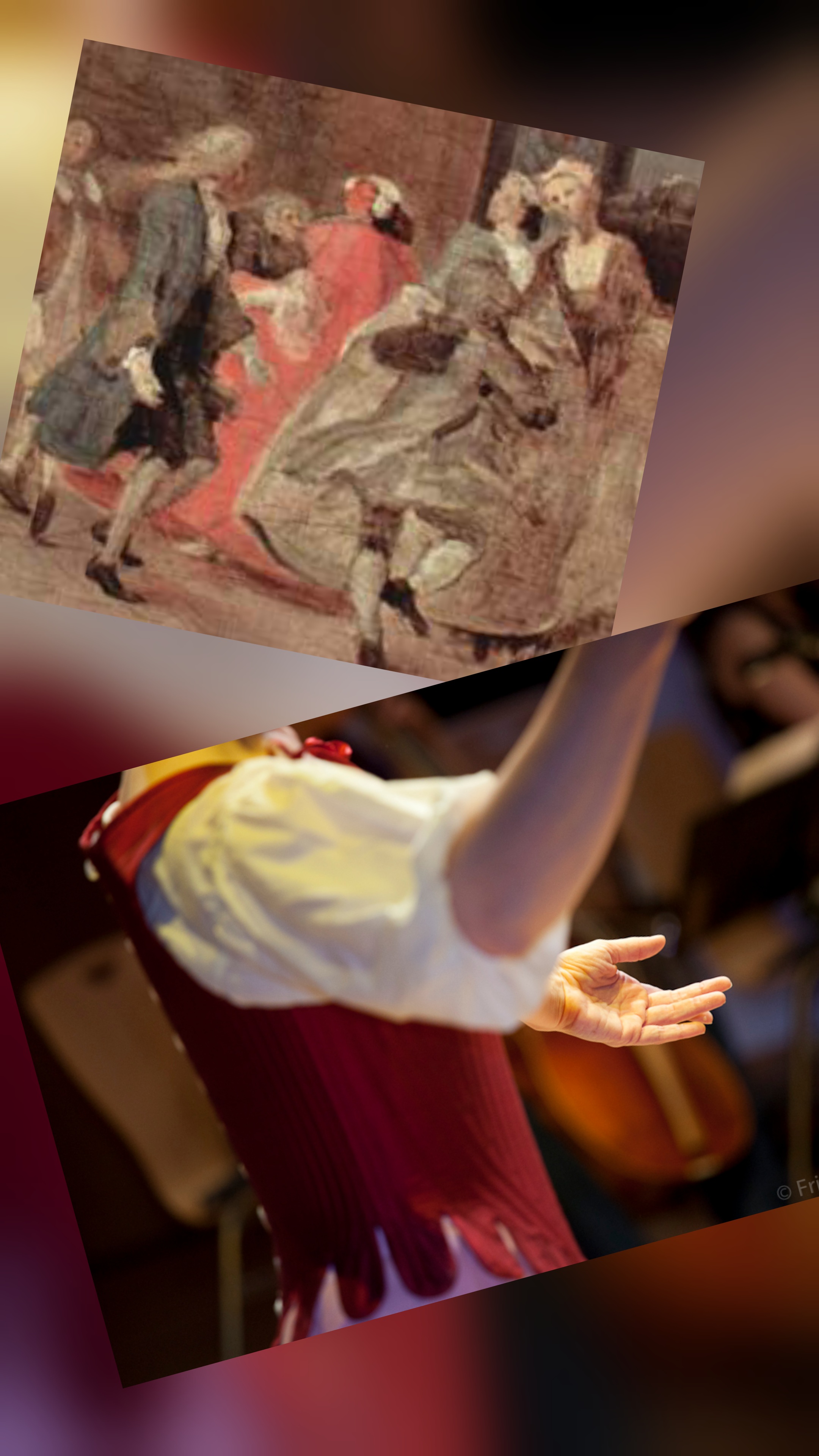
Dentro del XVII  Curso de Verano de la Universidad Rey Juan Carlos, María José Ruiz Mayordomo impartira conferencia sobre moda bolera escénica a finales del Siglo XVIII.

La indumentaria escénica, ya sea como signo de representación o elemento mediatizador del movimiento, ha constituido uno de los factores integrantes de la Obra de Arte Coréutica que, si bien responde a los conceptos estéticos del momento -léase incidencia de la moda-, también supone la integración de componentes materiales que forman parte asociada al patrimonio cultural intangible.

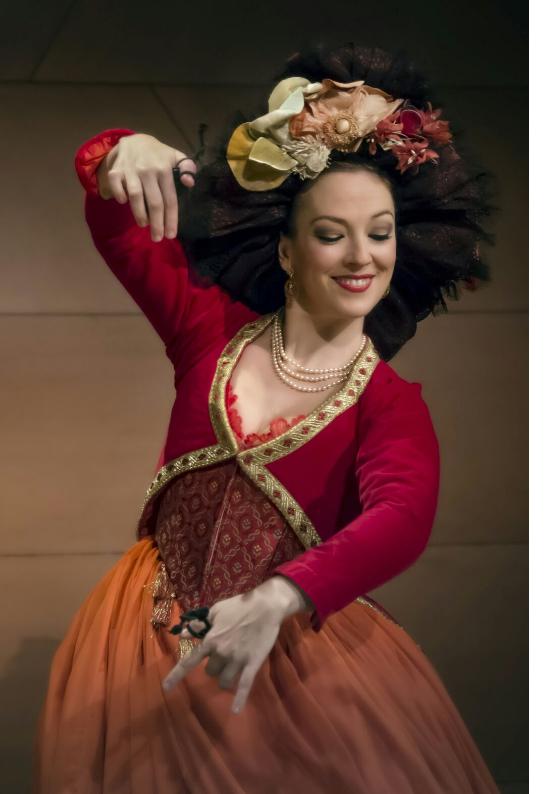
Durante el siglo XVIII, y más concretamente en los últimos decenios, la moda popularizante o “castiza” tuvo su representación femenina en el denominado “traje de maja”, con el “traje de majo” como réplica. Esta moda, que más tarde desembocaría en el “traje bolero”, supuso la integración de elementos complementarios (principalmente en lo referente a sombrerería y tocados) con que el gremio de cómicos y bailarines asumió y utilizó para enriquecer la creación e interpretación ya fuera lírica, coreolírica o coreodramática.

Enlos teatros municipales de la Villa de Madrid, una saga de actrices y actores especializados en la interpretación de la denominada “Tonadilla escénica”, así como los integrantes de la compañía de bailes en el Teatro de los Caños del Peral, constituyeron modelo iconográfico que a día de hoy ha resultado fundamental para abordar la restauración e interpretación históricamente informada del repertorio que ha llegado hasta nosotros.

Desde la mirada crítica, la investigación performativa junto con la experimentación corporal, en esta sesión se propone un acercamiento a la moda dieciochesca y a sus consecuencias en lo que a la Danza Española Escénica se refiere.

ABSTRACT

Within the XVII Summer Course of the Rey Juan Carlos University, María José Ruiz Mayordomo will give a lecture on stage bolero fashion at the end of the 18th century. 

Stage attire, whether as a sign of representation or as an element mediating movement, has been one of the factors that make up the Choreographic Work of Art. While it responds to the aesthetic concepts of the moment—read the impact of fashion—it also involves the integration of material components that are part of intangible cultural heritage.

During the 18th century, and more specifically in the last decades, the popularizing or "castizo" fashion found its feminine representation in the so-called "maja costume," with the "majo costume" as a replica. This fashion, which would later lead to the "bolero costume," involved the integration of complementary elements (mainly headdresses and headdresses) that the guild of comedians and dancers adopted and used to enrich their creation and performance, whether lyrical, choreolyrical, or choreodramatic.

In the municipal theaters of the city of Madrid, a group of actresses and actors specialized in the interpretation of the so-called "Scenic Tonadilla," as well as the members of the dance company at the Teatro de los Caños del Peral, formed an iconographic model that has proven fundamental to this day in addressing the restoration and historically informed interpretation of the repertoire that has come down to us.

From a critical perspective, performing research combined with bodily experimentation, this session offers an approach to eighteenth-century fashion and its consequences for Spanish Stage Dance.


  • Conference
  • Rococo
  • All levels

Barocker Tanz

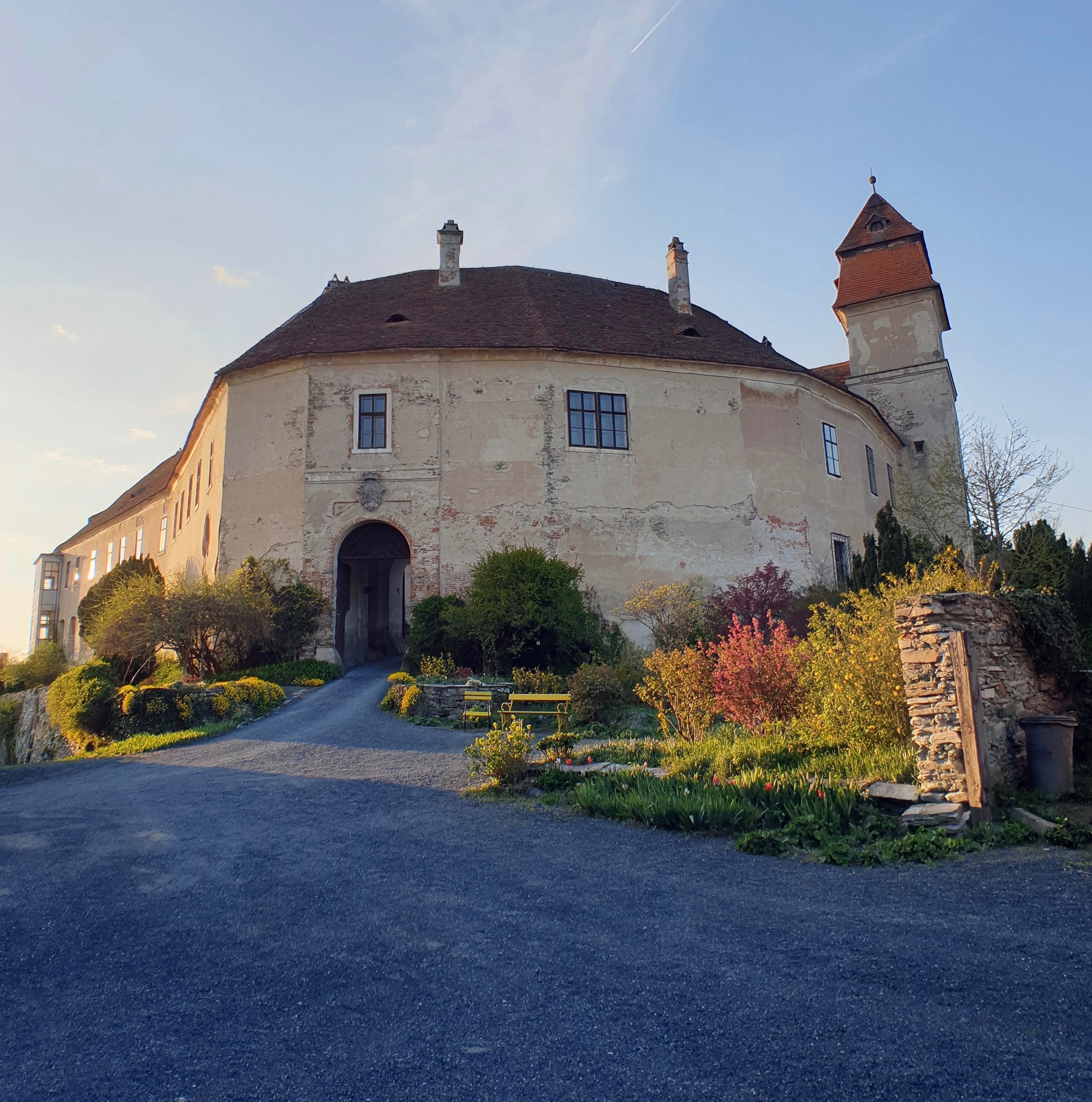
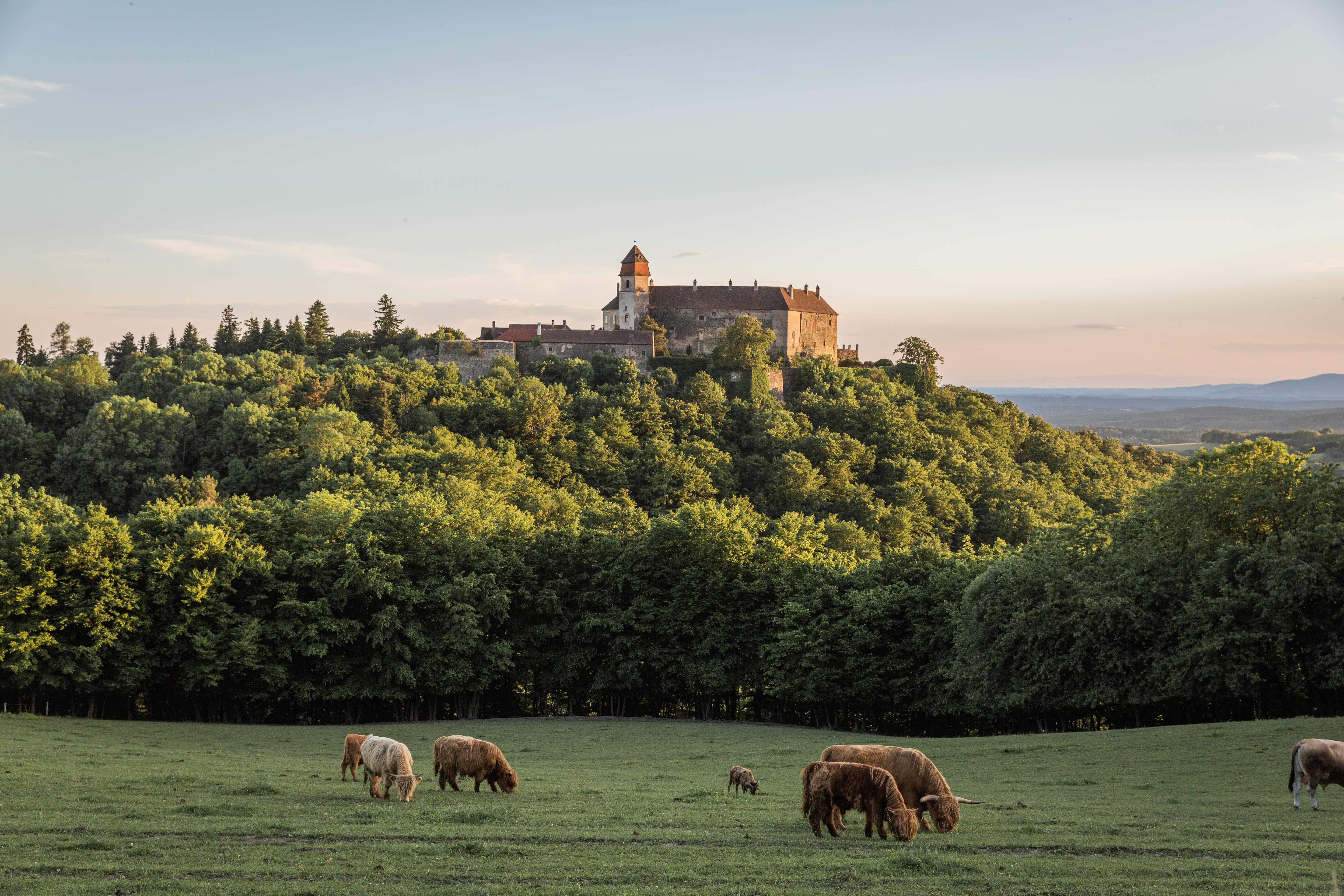
Barocker Tanz auf Burg Bernstein - der perfekte Rahmen für einen historischen Tanzkurs!

Margit Legler spezialisierte sich nach ihrer Tätigkeit als Tänzerin des Balletts der Wiener Staatsoper in Historischem Tanz und Historischer Schauspielkunst. Workshops und Vorträge zur Historischen Schauspielkunst sowie Operninszenierungen (u.a. mit Dorothee Oberlinger) im Sinne der historischen Aufführungspraxis führten sie durch ganz Europa. Margit Legler unterrichtete 1989-2009 an der Universität für Musik und darstellende Kunst Wien, 2010-2020 an der Ballettakademie der Wiener Staatsoper, hat eine Professur für Historischen Tanz und Period acting techniques an der Musik und Kunst Privatuniversität Wien und lehrt am Mozarteum Salzburg. 2024 erschien das Buch „Barocke Tänze und ihre musikalische Umsetzung“, das sie gemeinsam mit Reinhold Kubik und Andreas Helm im Hollitzer Verlag herausgab.


Keinerlei tänzerische Vorkenntnisse (oder historisches Kostüm) notwendig, wer möchte kann aber natürlich sein Kostüm mitbringen oder ausleihen, zb hier https://www.lamberthofer.at/

Freizeitkleidung und bequeme Schuhe sind zum Tanzen bestens geeignet


Ablauf:

Freitag Anreise, 15:30 Uhr Getogether mit kleinem Aperitif, 16:00 - 17:30 Uhr Unterricht

Samstag ganztägiger Workshop, Unterricht von 9:30 - 11:00 Uhr, Möglichkeit zu einer Burgführung um 11:00 Uhr, Unterricht von 14:00 - 15:30 Uhr, anschließend Tea Time, Unterricht von 16:00 - 17:30 Uhr

Sonntag Abreise, Unterricht von 9:30 - 11:00 Uhr

Die Teilnahme am Workshop ist nur in Verbindung mit einer Zimmerbuchung möglich.

Kursgebühr: 75.- Euro pro Person

 
  • Workshop
  • Baroque
  • Beginner

Höfischer Tanz Workshop

Urlaub und Tanzen? Tauchen Sie ein in die Welt des höfischen Tanzes in passender Atmosphäre! Mag. Erika Weithofer bietet eine tiefgehende Einführung in überlieferte Gesellschaftstänze aus dem 17. - 19. Jahrhundert zur Musik von Purcell, Mozart, u.a. Passend zur Zeit von Jane Austen, aber auch für die (fiktive) Serie Bridgerton! Daphne, Basset & Co hätten sich bei uns wohlgefühlt.

Teilnahme bitte nur paarweise, auch Damen- oder Herrenpaare sind willkommen! Keinerlei tänzerische Vorkenntnisse (oder historisches Kostüm) notwendig, wer möchte kann aber natürlich sein Kostüm mitbringen oder ausleihen, zb hier https://www.lamberthofer.at/

Freizeitkleidung und bequeme Schuhe sind zum Tanzen bestens geeignet

Ablauf:

Freitag Anreise, 16:30 Uhr Getogether mit kleinem Aperitif, 17:00 - 18:30 Uhr Unterricht

Samstag ganztägiger Workshop, Unterricht von 9:00 - 10:30 Uhr, Möglichkeit zu einer Burgführung um 11:00 Uhr, Unterricht von 14:00 - 15:30 Uhr, anschließend Tea Time, Unterricht von 17:00 - 18:30 Uhr

Sonntag Abreise, Unterricht von 9:00 - 10:30 Uhr und 11:00 - 12:30 Uhr

Die Teilnahme am Workshop ist nur in Verbindung mit einer Zimmerbuchung möglich. Kursgebühr: 100.- Euro pro Person Demonstrationen vom "Tanzensemble Brokat" gibt es hier: https://www.youtube.com/channel/UCCWU2_KNXHncSfsTYficrKg

Bitte um Anmeldung und Einzahlung des Kursbeitrags bis spätestens 30.6.2026. Ab diesem Stichtag kann der Kursbeitrag bei Absage nicht mehr zurückgezahlt werden. Der Workshop kommt ab mindestens 10 Teilnehmer*innen zustande. Ich freue mich auf Sie und das gemeinsame Tanzen! Erika Weithofer

Infos: xn--hfischer-tanz-imb.at, Youtube: Höfischer Tanz oder @hofischertanz Kontakt: erika.weithofer@gmail.com, +436764881469 Bankverbindung: Mag. Erika Weithofer, IBAN: AT71 2011 1000 3813 3369

  • Workshop
  • mixed
  • Beginner

BAL RENAISSANCE - DANSE MEDIEVALE: Historisches Tanzfest mit Okzitanis - Bonn, Oktober 2026

BAL RENAISSANCE - DANSE MEDIEVALE

Historisches Tanzfest mit Okzitanis

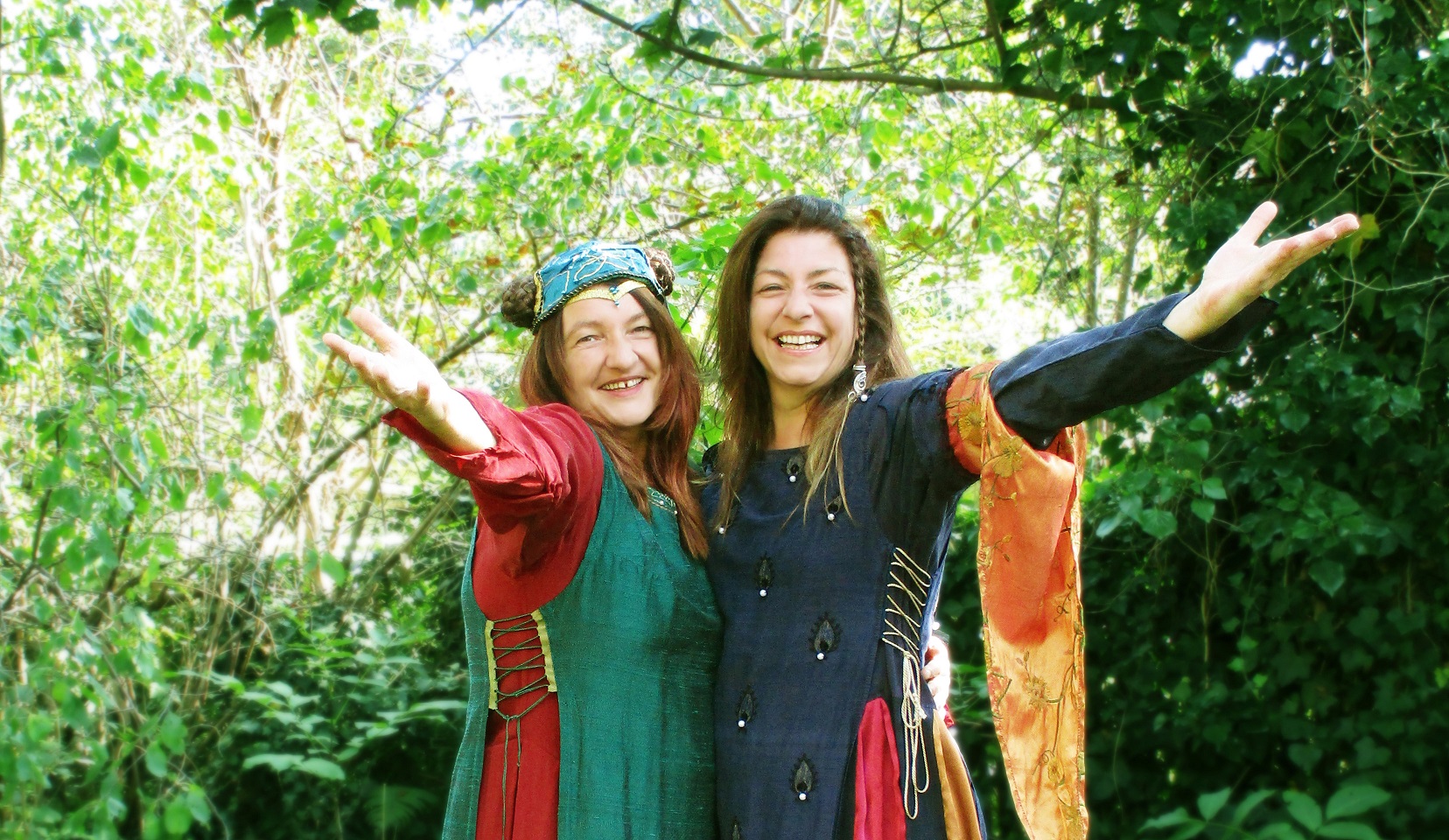
Das seit 2012 beliebte historische Tanzfest "Bal Renaissance - Danse Médiévale" findet erstmals in Bonn statt und lädt Tanzbegeisterte und Mittelalter-Freude zu einem festlichern Abend mit Tänzen, Musik und Tafelfreuden aus Mittelalter und Früh-Renaissance.

Zum Tanz lässt das Duo Okzitanis Dudelsack, Trommeln und Saiten erklingen und leitet auch alle Tänze kundig an. Vorkenntnisse sind nicht nötig und alle können gleich mittanzen. Getanzt werden Kreis-, Hecken- und Figuren-Tänze, die den Bogen spannen von der Ausgelassenheit dörflicher Feste bis hin zur Pracht höfischer Bälle.

Die beiden professionellen Musikerinnen und Tanzmeisterinnen von Okzitanis - Astrid Lang und Ingrid Lang - gestalten den Abend ganz nach mittelalterlichem Vorbild: Die Instrumente werden nicht verstärkt und Okzitanis spielen beim Tanz live mitten unten den Tanzenden. Die Tänze entstammen historischen Quellen, von der Handschriften-Sammlung der Bibliothèque nationale de France und den Archiven der Burg Buda, über die "Orchésographie" von Thoinot Arbeau, bis hin zu John Playfords "The English Dancing Master". Getanzt wird zu Musik aus dem 14.-16. Jahrhundert.

Anders als bei den heute üblichen Gesellschaftstänzen wird bei diesen Tänzen nicht paarweise getanzt, sondern von allen gemeinsam als Gruppe. Der Abend ist also auch für Einzelpersonen und bunt gemischte Gruppen besten geeignet.

Auch die Gaumenfreuden kommen nicht zu kurz. In den Tanzpausen kredenzt die ausgezeichnete saisonale und regionale Küche des Schützenhof ein 2-gängiges historisches Mahl.

Okzitanis unterhalten dazu mit mittelalterlichem Sang und Klang und es gibt Gelegenheit zum Plaudern und Kennenlernen.
Also kommt herbei! Tanzet, Tafelt und erfreuet Eure Gemüter!

Weitere Infos & Karten unter: https://www.bal-renaissance.de/
Damit für alle ausreichend Platz zum Tanzen vorhanden ist, ist die Teilnehmerzahl ist begrenzt. Wir empfehlen Euch, rechtzeitig Karten zu besorgen.

VIDEO-LINK OKZITANIS "Der sprechende Karpfen": https://www.youtube.com/watch?v=JA2XFg4MJ7E
 

Datum: Samstag, 10. Oktober 2026
Eintrittspreis: Regulär: 85,- Euro
Frühe Burgvogel-Offerte: 80,- € (bei Erwerb der Karten bis 30. Juni 2026)
Im Eintritt enthalten ist eine 2-gängiges Menü (mit Fleisch oder vegetarisch/vegan zur Auswahl). Getränke sind nicht enthalten.

Beginn: 19.00 h
Einlass: 18:30 h
Veranstaltungs-Ort: Schützenhof - Festsaal, Hohe Straße 36, 53119 Bonn

Veranstalter: Black Flag Records & Books - Lang und Lang GbR (Tanzanleitung, Musik) & DACAPO Service GmbH, Bonn (Gastronomie)

  • Ball
  • Medieval
  • Renaissance
  • All levels

Schützenhof Bonn

Submitted by Okzitanis on

Der Schützenhof steht für handgemachte, saisonale, regionale Küche ohne Verwendung von Zusatzstoffen. Bekannt und beliebt ist der Schützenhof darüber hinaus für seinen großen, stimmungsvollen Festsaal.

Okzitanis

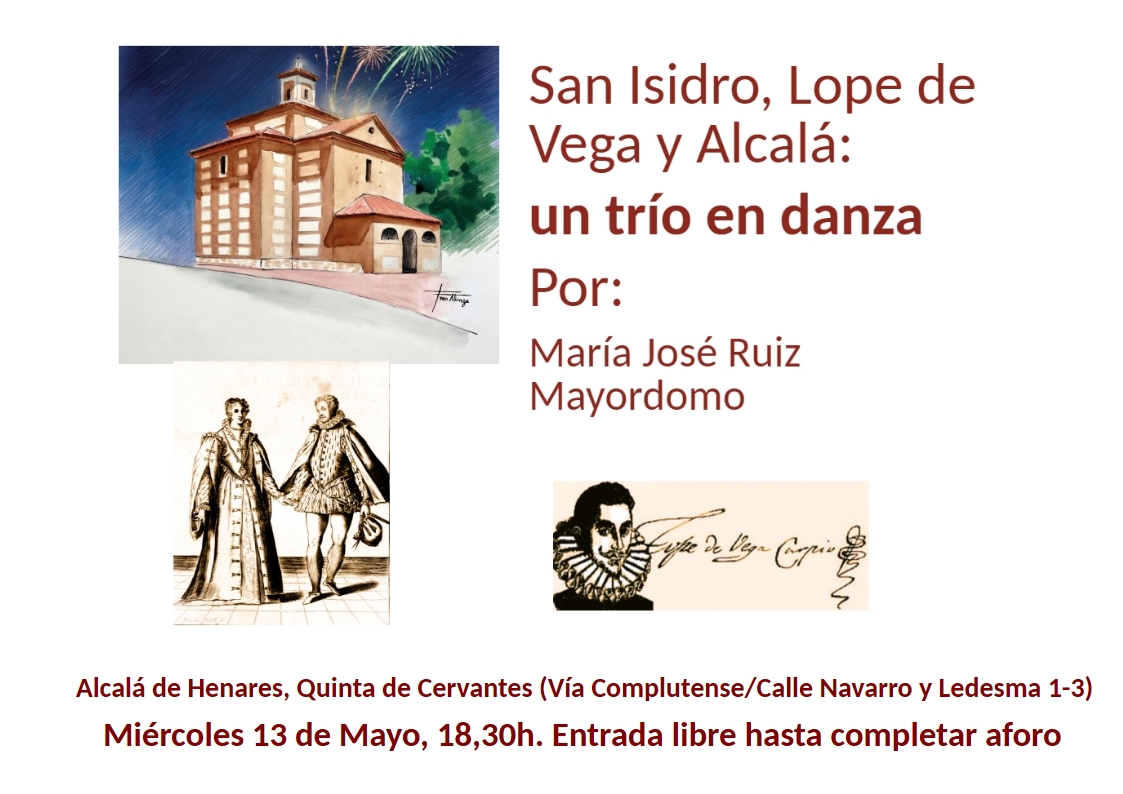
San Isidro, Lope de Vega y Alcalá: Un trío en Danza

18,30h. - Entrada libre hasta completar aforo

Si bien es poco conocido, el periodo estudiantil de Lope de Vega en Alcalá de Henares supuso su inmersión en un ambiente plagado de música y Danza, así como su acercamiento a las festividades y celebraciones religiosas de la ciudad.

Un periodo de 4 años, en el momento crucial para el desarrollo vital del Fénix de los Ingenios, que influiría decisivamente sobre su forma de entender la vida.

La devoción lopesca por San Isidro, junto con su pasión por la danza y las tradiciones, daría lugar suy creación de obras maestras dramáticas paralitúrgicas, en las que el gozo quedaría unido a la veneración y acercamiento del Santo a través del teatro.

Los asistentes a la conferencia podrán aproximarse y degustar el patrimonio cultural inmaterial español a través de la danza y el baile en el teatro paralitúrgico de Lope en el que que la danza era espejo de la sociedad plural de ese siglo de Oro.

lthough little known, Lope de Vega's student period in Alcalá de Henares immersed him in an atmosphere steeped in music and dance, as well as introducing him to the city's religious festivals and celebrations.

This four-year period, a crucial time in the life of the "Phoenix of Wits," would decisively influence his understanding of life.

Lope's devotion to San Isidro, along with his passion for dance and traditions, led to the creation of his paraliturgical dramatic masterpieces, in which joy was intertwined with veneration and a connection to the Saint through theater.

Conference attendees will have the opportunity to explore and appreciate Spain's intangible cultural heritage through dance and movement in Lope's paraliturgical theater, where dance reflected the diverse society of that Golden Age.

  • Conference
  • Spanish baroque
  • All levels

Dancing in the Ballrooms of 18th Century England and France

Submitted by Helen on

  The aim of our summer school is to provide people with the time to study a range of dances, to improve dancing ability and confidence, and to have fun in good company. The full courses provide an in-depth dance experience while the weekend courses are perfect for those with less time available or those just wanting to try out dancing of this period. You do not need to come with a partner. With classes for baroque dancers or those who prefer the social dancing of the eighteenth century, the summer school allows you to immerse yourself in dance.  Find the full details on our website or download our leaflet here. 


  • Summer School
  • All levels