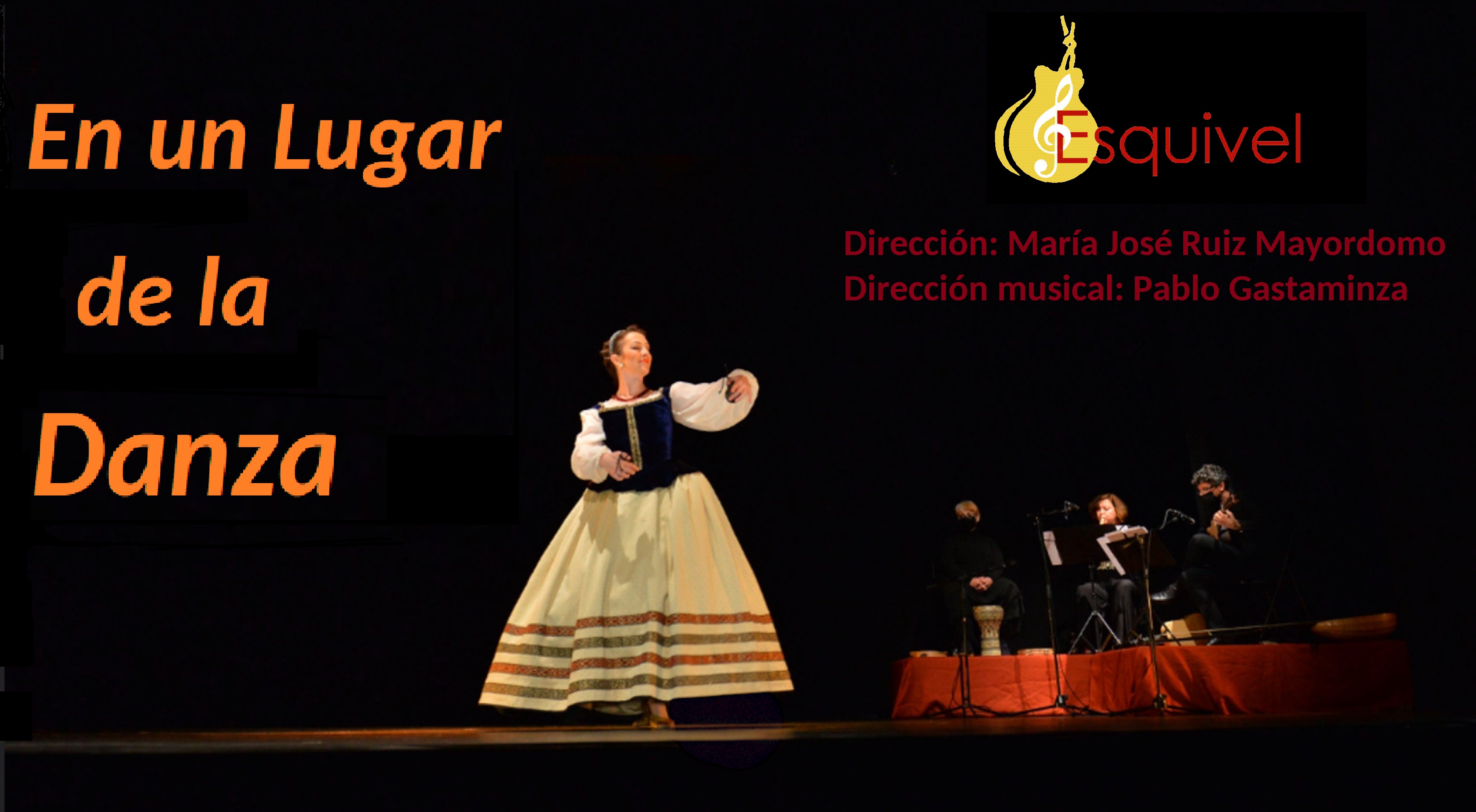
Esquivel Danza&Música—a pioneering Spanish company dedicated to reviving and disseminating historical dance from the 15th to the 18th centuries—has created En un lugar de la Danza ("In a Place of Dance").
This production offers audiences an opportunity to experience and appreciate Spain’s intangible cultural heritage through the dances that once defined the choreographic landscape of Cervantes’s works.
These dances—featured in Don Quixote, the Exemplary Novels, and short theatrical pieces—serve as a mirror to the diverse society of Golden Age Spain and the European territories of the Habsburg dynasty, including the Duchy of Milan and the Kingdom of Naples.
The program encompasses aristocratic dances and popular styles characterized by castanets, zapateado (in the modern sense of the term), and the virtuosic acrobatics that would eventually give rise to the Baile Bolero. It is a historical and artistic journey through the intricate dance traditions of the Iberian Peninsula—a blend of diverse, cultivated influences resulting in a hybrid, cross-cultural landscape bridging East and West—all of which are meticulously reflected throughout Cervantes’s body of work.
8 professional dancers specializing in Spanish dance from the Golden Age, led by María José Ruiz Mayordomo, and 4 musicians playing period-authentic instruments, directed by Pablo Gastaminza, will present a unique performance in which dance, music, text, costume, and gesture combine in a way never before seen.
ESQUIVLl (Danza&Música), compañía española profesional, decana en la recuperación y difusión de la danza histórica de los siglos XV al XVIII, ha creado “En un lugar de la Danza”, donde los asistentes podrán aproximarse y degustar el patrimonio cultural inmaterial español a través de la danza y el baile que en su día constituyeran el paisaje coreográfico de la obra cervantina.
8 bailarines profesionales especialistas en Danza Española del Siglo de Oro, y 4 músicos con instrumentos originales del periodo interpretarán Danzas y bailes reflejados tanto en “El Quijote” como en las novelas ejemplares o en el teatro breve, como espejo de la sociedad plural que habitaba la España del Siglo de Oro y las tierras europeas de la dinastía Habsburgo, entre las cuales se encontraba el Milanesado junto con el Reino de Nápoles.
Danzas aristocráticas, bailes popularizantes con el carácter que imprimen las castañuelas, el zapateado (en el sentido contemporáneo del término), o las acrobacias virtuosas que darán lugar al nacimiento del Baile Bolero.
Recorrido histórico y artístico por los vericuetos coréuticos peninsulares que recogieron las diversas tradiciones cultas concluyentes en un territorio híbrido y mestizo entre oriente y occidente, que tan concienzudamente recorren toda la obra de Cervantes.
- Performance
- Spanish baroque
- Professionals

- Log in to post comments