Das Interesse an dem Kurs ist gross - es sind nur noch wenige Plätze frei - bitte umgehend anmelden
A class is a session of an hour or two

Das Interesse an dem Kurs ist gross - es sind nur noch wenige Plätze frei - bitte umgehend anmelden

-Noviembre de 2010: 15, 16, 17, 18, 19, 22, 23, 24, 25 y 26.
Diez sesiones en dos semanas seguidas de lunes a viernes, en horario de 14:30 a 17:30 h.
OBJETIVOS:
-Desarrollar la íntima relación que existe entre la música, el movimiento corporal y la danza.
-Fomentar la expresión corporal tanto en el profesor de danza como en el de música.
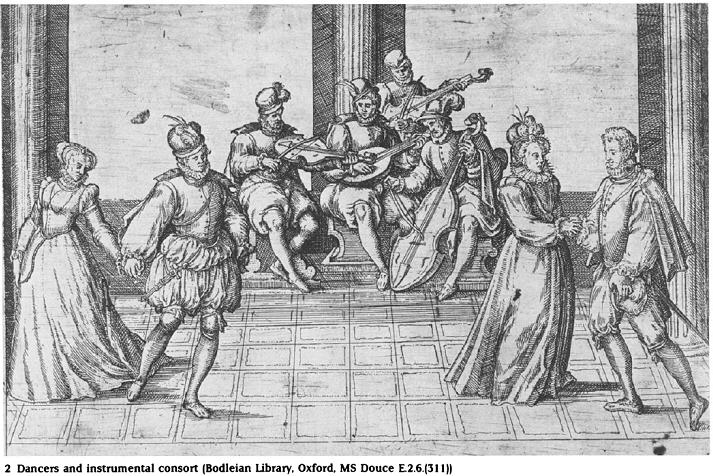
-Conocer los pasos básicos de las diferentes danzas antiguas y obtener un conocimiento real y vivencial de estas danzas para poder ser interpretadas en el instrumento musical.

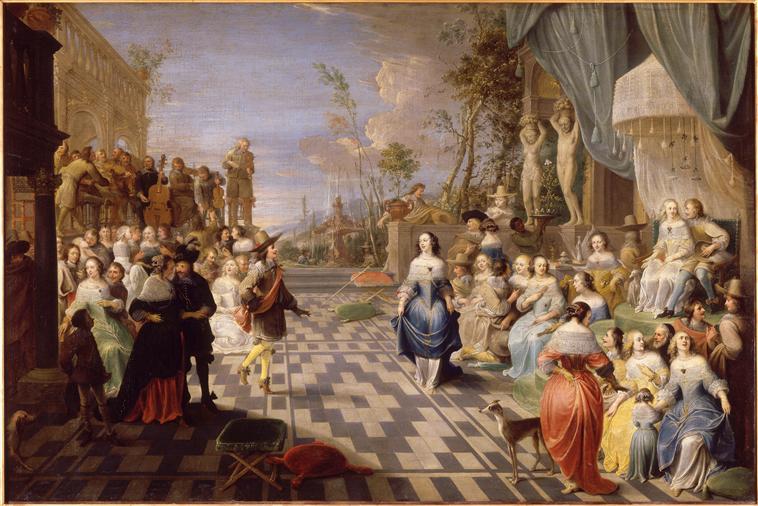
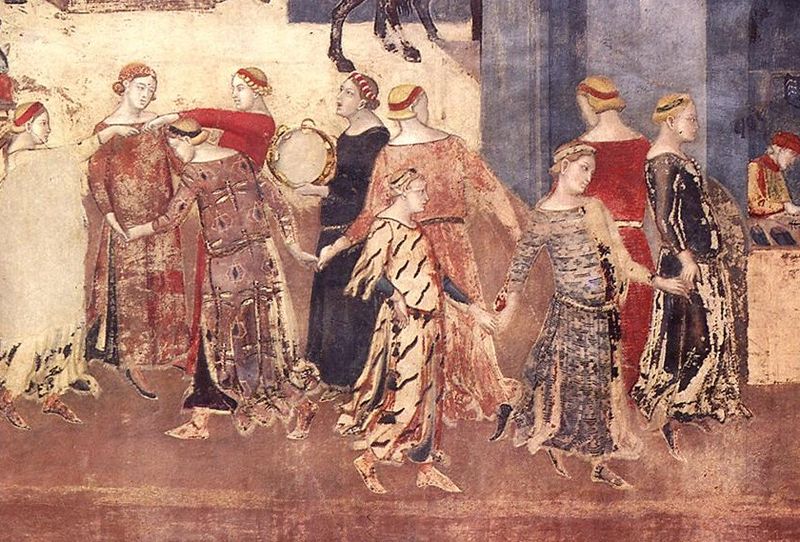
Du XVe siècle à la Renaissance, nous connaissons essentiellement la danse de cour. Bien danser, savoir chanter et jouer d’un instrument permettaient de tenir avec grâce et dignité son rang dans la société. La Renaissance en musique et en danse est caractérisée par l’introduction dans le registre courtois de formes et d’éléments populaires. C’est ainsi qu’une part importante est accordée aux rondes, facteur de convivialité et de cohésion sociale.

Variazioni di gagliarda, Galleria d’amore (con particolare attenzione al canario)
SCHEDULE (6 hours)
Saturday: 5 p.m.-8 p.m.
Sunday: 10 a.m.-1 p.m.
COST
Each weekend costs a total of € 450,00 divided by the participants. There is a minimum of 8 participants (which would mean 56€ per person. If there are more than 8 participants, the cost of the course is less).
INSCRIPTION

Variazioni di gagliarda, Galleria d’amore (con particolare attenzione al canario)
Intermediate & advanced levels
SCHEDULE (6 hours)
Saturday: 5 p.m.-8 p.m.
Sunday: 10 a.m.-1 p.m.
COST
Each weekend costs a total of € 450,00 divided by the participants. There is a minimum of 8 participants (which would mean 56€ per person. If there are more than 8 participants, the cost of the course is less).
INSCRIPTION
The inscription sheets should be sent completed to: gloria.giordano@fastwebnet.it

Intermédiaires/avancés
Menuet lent pour Femme de Pemberton
Christine Bayle aborde la danse dans le plaisir et la détente, propice à une efficacité musculaire maximum. L’apprentissage se nourrit de textes d’époques, du contexte, de l’histoire de l’art.
sam 14h00-17h30, dim 12h15-15h45, lundi 11h00-14h30 et mardi 12h30-14h30
tarif : 110€**
Intermédiaires/avancés

Eine Einführung in die Entwicklung der Suitentänze mit den für sie typischen Schrittmustern und Formen, u.a. Allemande, Courante, Bourrée, Menuett, Sarabande, Gigue.
Vorkenntnisse in Historischem Tanz sind bei diesem Workshop wünschenswert.

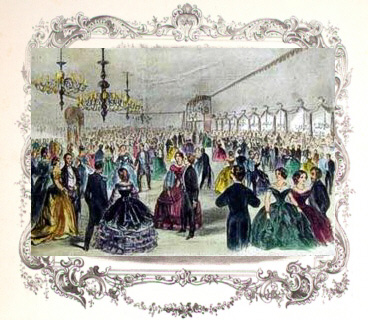
Wir begeben uns gedanklich in das England des frühen 19. Jahrhunderts, das Jane Austen in ihren Romanen schilderte (Pride and
Prejudice, Emma u.a.). In diesen Romanen bilden Bälle oft den passenden Rahmen für dramatische Höhepunkte. Getanzt werden im Roman wie im Workshop Country Dances, Quadrillen und Cotillons, die wir an diesem Wochenende wieder zum Leben erwecken.
Vorkenntnisse in Historischem Tanz sind hilfreich, aber nicht unbedingt erforderlich.

Ein Einstieg in die Tänze vergangener Zeiten: Getanzt werden sowohl Tänze mit höfischer Prachtentfaltung als auch Tänze aus dem Volk. Hier spielen nicht zuletzt die Bedeutung der Blicke, der Gesten, die Einstimmung auf Partner, Gruppe und Raum eine besondere Rolle. Über die Bewegung eröffnen sich neue Zugänge zur Musik und Einblicke in das Lebensgefühl einer anderen, längst vergangenen Gesellschaftsform.
Vorkenntnisse in historischem Tanz sind nicht erforderlich.

Dorothée Wortelboer is a popular tutor of Renaissance and Baroque dance as well as a choreographer and performing artist in those areas.
She focuses on the dance styles from the 15th to the early 18th century and researches all her material from the original sources. Matters of special interest to her are the ‘marriage between music and dance’ and the eternal question of how people actually moved and performed their steps and patterns a few hundred years ago.
This is a chance to experience Dorothée’s approach to Caroso’s