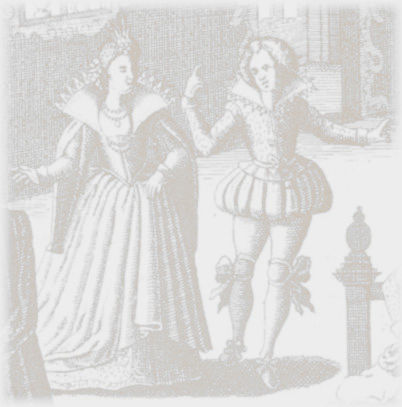
Cursos de danza antigua 2015-2016 con Anna Romaní en el Museo de Historia de Cataluña: Módulo I, Danza de Renacimiento
La Compañía Xuriach, en colaboración con el Museo de historia de Cataluña, nos propone un curso anual de danza antigua, la que transmitieron los maestros de danza entre los siglos XVI y XVIII y que ha llegado hasta nuestros días a través de sus tratados y manuales, o a través de las formas de la tradición oral.
El curso está organizado en 3 módulos temáticos, uno cada trimestre. Cada módulo consiste en 6 clases, en las fechas indicadas para cada trimestre, y un baile abierto al público o con el público, con músicos en directo. Anteriormente hemos publicado un post con información general sobre estos cursos.
MÓDULO I: Renacimiento
Comenzamos formando un círculo cogidos de las manos. Avanzamos hacia la izquierda y volvemos ligeramente hacia la derecha. Un Branle, una danza en ronda. Un simple vaivén, con suspensión, pero quien sabe ornamentar? Pied en l’air, fleuret, marque talon... Branles para todas las edades, Pavanes y Allemandes para pasear, Gaillardes para los más osados y Voltes para los más descarados. Introduciremos los conceptos básicos de la danza antigua a través de les danzas del francés Thoinot Arbeau, pero es posible que visitemos a los italianos, para probar sus ballets y baja danzas. Anna Romaní
Laboratorio 1 (opcional): Expansión del movimiento. A partir de les bases de la danza antigua, per co libertad coreográfica y estilística, experimentar con la amplitud y la calidad del movimiento.
Fechas: 2, 9 y 30 de octubre, 13 y 20 de noviembre, 4 de diciembre.
Horarios: Nivel 1: de 18:00 a 19:30 / Laboratorio (opcional): de 19:30 a 20:00 / Nivel 2: de 20:00 a 21:30
- Course
- Renaissance
- Beginner
- Intermediates
Danse baroque Rentrée 2015
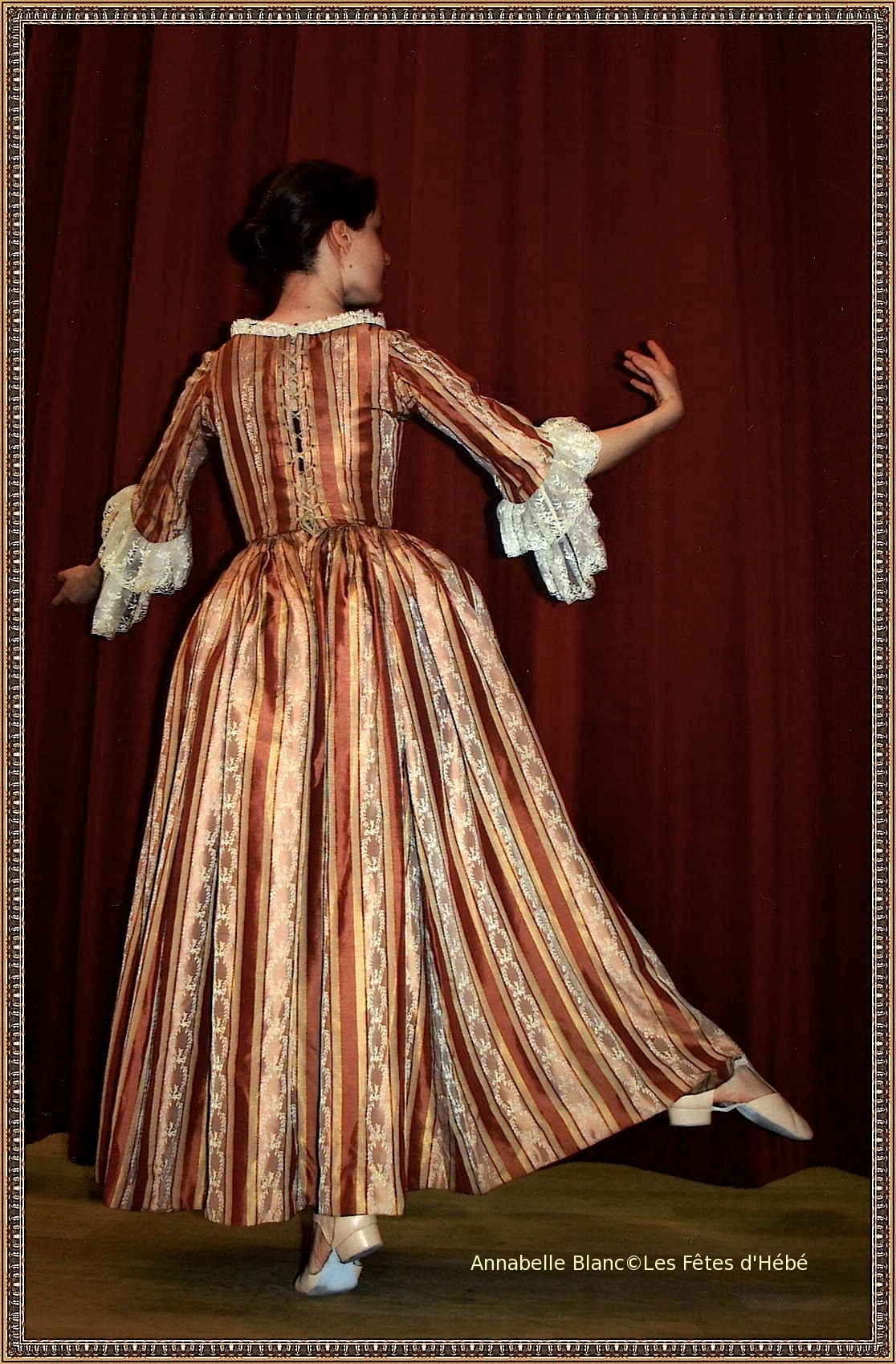
Ateliers de danse baroque les dimanches de 10h30 à 13h00
avec Annabelle Blanc, claveciniste, danseuse, chorégraphe, formatrice.
Dates et lieux :
* 20 Septembre - 6 rue Juliette Dodu, Paris 10 - M° Colonel Fabien
* 04 Octobre - La Roulotte à Vapeur - 3 rue des Vignoles, Paris 20 - M° Avron
* 15 Novembre - 12 Bd Bonne Nouvelle, Paris 10 - M° Strasbourg St-Denis
* 29 Novembre - 6 rue Juliette Dodu, Paris 10 - M° Colonel Fabien
* 13 Décembre - La Roulotte à Vapeur - 3 rue des Vignoles, Paris 20 - M° Avron
Tarif:
30 € par atelier
Aucune obligation de suivi, chaque atelier étant indépendant des autres.
- Workshop
- Ongoing classes
- Baroque
- All levels
Stadt-Land-Fest 2015 - Der Mittelalter und Renaissance Ball
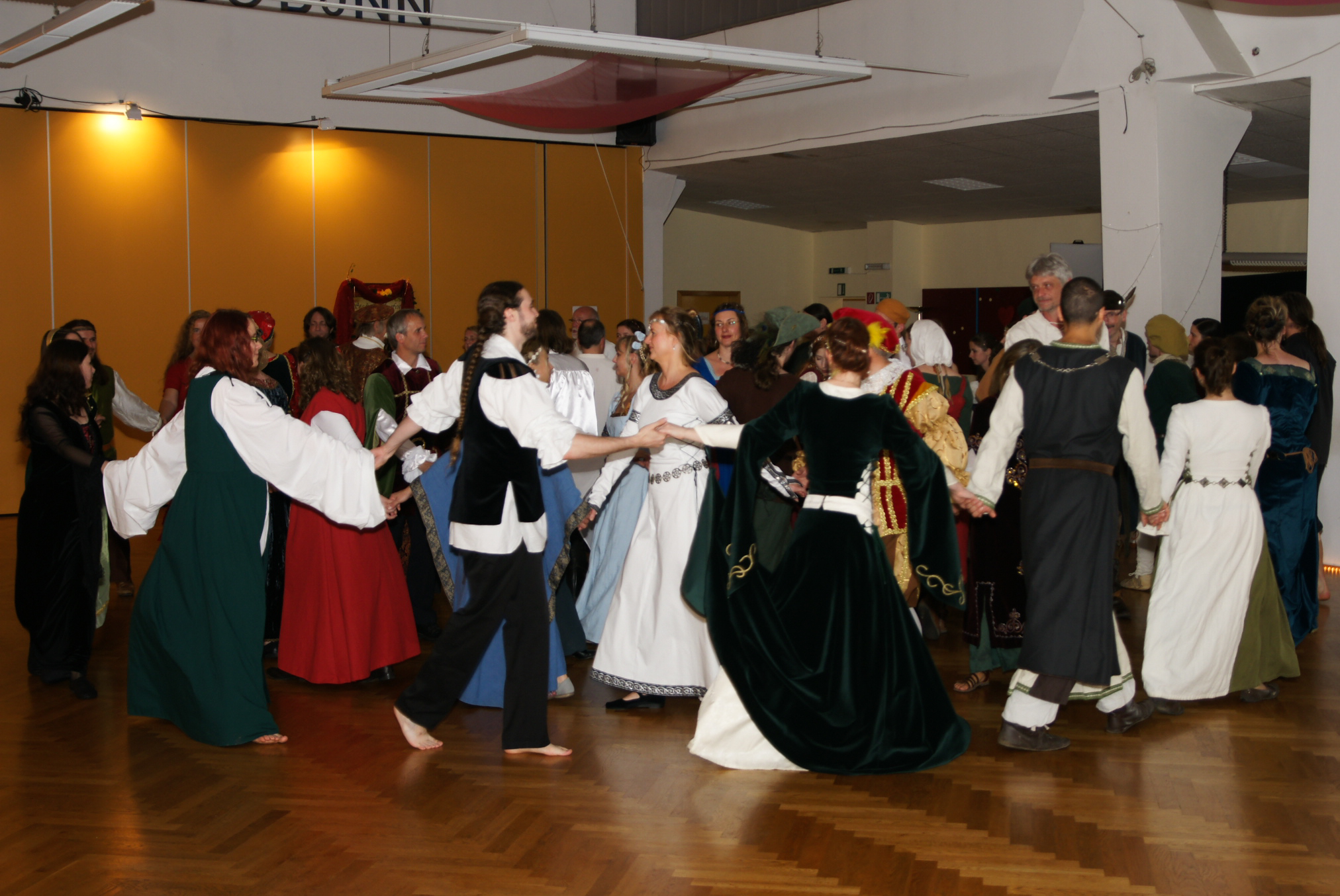
Hört ihr Leut und lasst euch sagen, die Uhr hat bald zum Tanz geschlagen!
Der Termin für das diesjährige Stadt-Land-Fest steht fest:
3. Oktober 2015
5 Jahre Stadt-Land-Fest
2010 haben wir Stadt-Land-Fest das erste mal veranstaltet und hatten so viel Freude daran, dass es zu einer jährlichen Veranstaltung geworden ist. Seither – an jedem ersten Samstag im Oktober – schwingen wir gemeinsam das Tanzbein.
Unter anderem wird geboten:
•zwei Mittelalter-Tanz Workshops (einer für Anfänger, einer für erfahrenere Tänzer)
•"Teilnahme" am Mitbringbuffett
•Getränke zu moderaten Preisen
•rauschender Ball
•Glücksspiele des Mittelalters
•Folia in den neuen Tag hinein
•Tanzen bis zum Morgengrauen!
Anmeldung und mehr Informtionen auf:
Wir freuen uns auf euch!
- Ball
- Medieval
- Renaissance
- Beginner
- Intermediates
- Advanced
BAL RENAISSNCE - DANSE MEDIEVALE
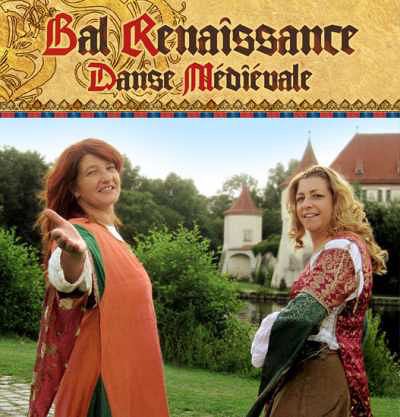
Historisches Tanzfest mit Okzitanis
Ein festlicher Abend mit Tänzen aus Mittelalter und Renaissance für alle Tanzfreunde und interessierte Neulinge.
Zum Tanz spielt das Duo Okzitanis, das auch alle Tänze fachkundig anleitet: Kreis-, Hecken- und Figuren-Tänze, die den Bogen spannen von der Ausgelassenheit dörflicher Feste bis hin zur Pracht höfischer Bälle.
Auch die Gaumenfreuden kommen nicht zu kurz. In den Tanzpausen kredenzt der Wirt ein historisches Mahl.
Samstag, 07. November 2015
Schießstätte Allach - Festsaal, Servetstr. 1, 80999 München
Einlaß: 19.30 Uhr I Beginn: 20.00 Uhr
Eintritt: 35,- Euro inkl. 2-gängiges Mahl
Die Teilnehmerzahl begrenzt - daher ist eine verbindliche Reservierung nötig!
Reservierungen und ausführliche Informationen unter:
http://www.bal-renaissance.de
- Ball
- Medieval
- Renaissance
- All levels
Renaissancetanzabend mit Freydanz
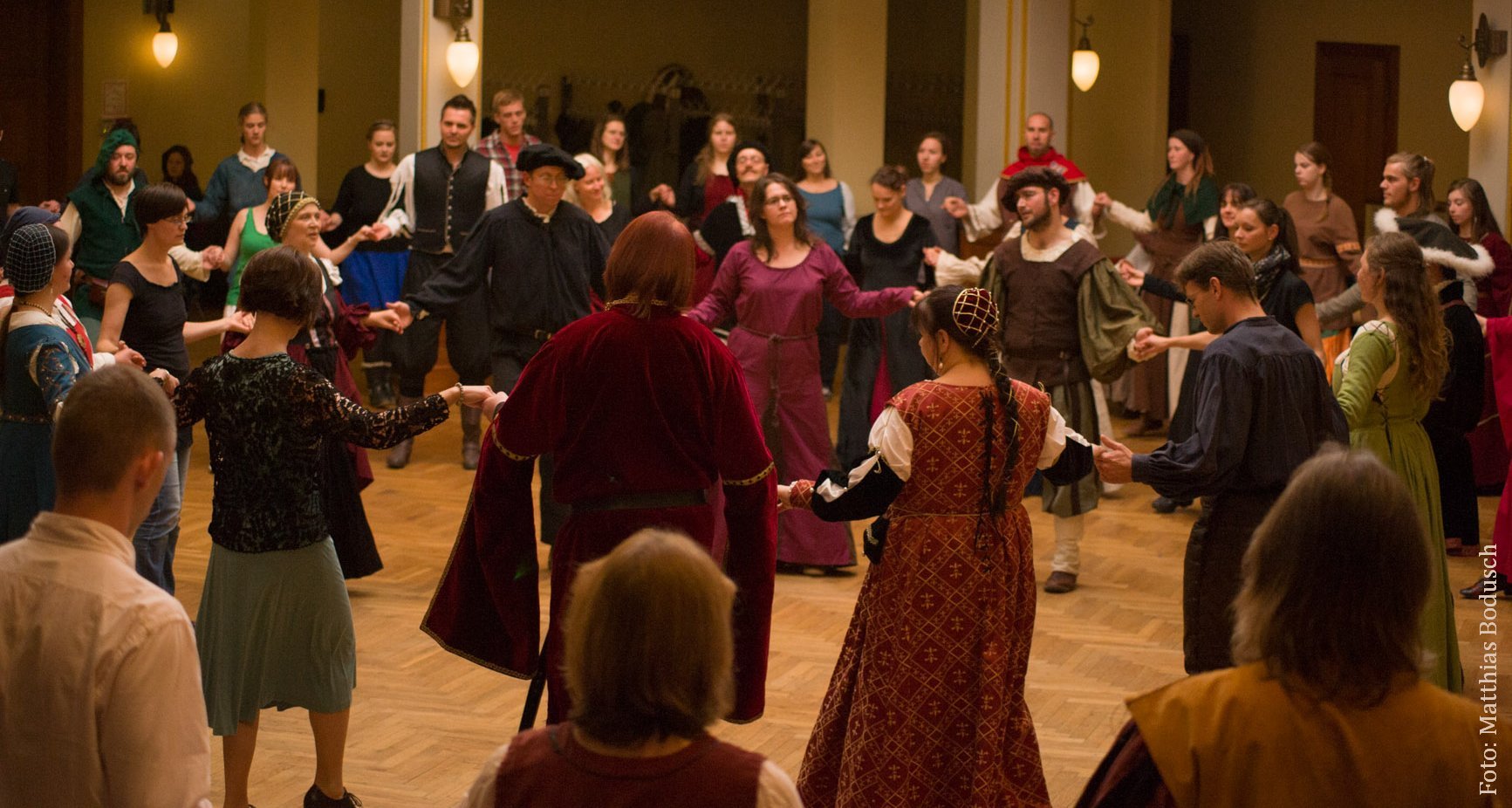
Renaissancetanzabend mit Freydanz
Tänze der Renaissance und des Barock – zum Anschauen und Mittanzen
Am 27.11.2015 ab 20 Uhr lädt Freydanz e.V. zum Renaissancetanzabend in Markkleeberg ein. Begleitet durch die Live-Musik des Freydanz-Ensembles, können historische Tänze bestaunt und getanzt werden. Vorkenntnisse sind nicht erforderlich. Alle Tänze werden von Tanzmeistern mit den Gästen einstudiert. Historische Gewandung ist gern gesehen, aber kein Muss. Empfohlen werden bequeme, lockere Kleidung und Schuhe, die auf Parkett nicht rutschen.
Zeit: 20-24 Uhr (Einlass ab 19.30 Uhr)
Preis: 7,- € / 5,- €
Mehr Infos: www.freydanz.de
- Ball
- Renaissance
- Baroque
- Playford
- Beginner
- Intermediates
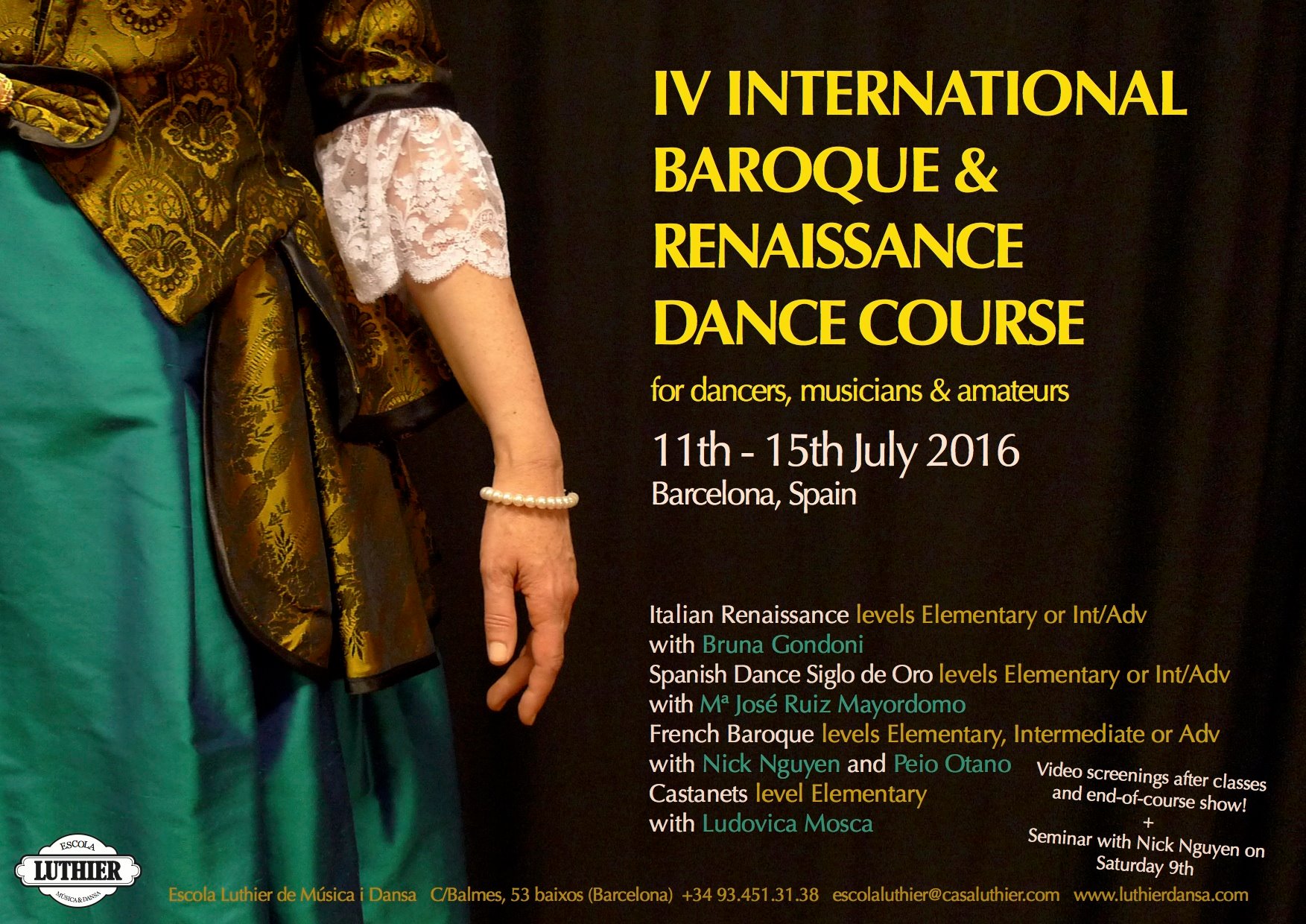
IV BAROQUE AND RENAISSANCE DANCE COURSE in BARCELONA
- Summer School
- Renaissance
- Baroque
- Spanish baroque
- Beginner
- Intermediates
- Advanced
- Professionals
International Dance Summer School - Ballroomdances of the 19th century
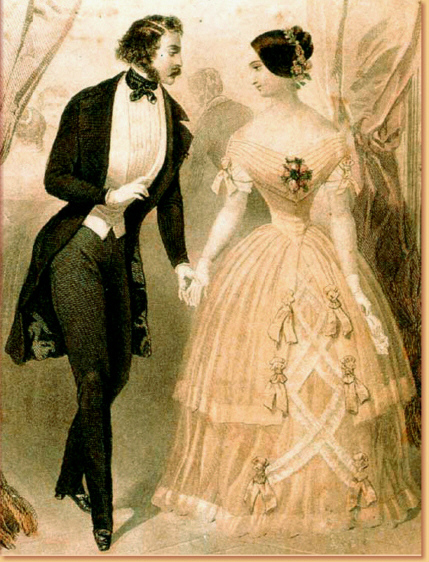
3rd .creanc. International Dance Summer School 2016 from 31.7 to 7.8.2016 in Vienna
Ballroom dances from the period 1830 to 1900
Course 1 from Sunday 31st July to Sunday 7th August 2016 Course 2 from Thursday 4th August (at 2.30pm) to Sunday 7th August 2016 Grand Ball on Saturday 6th August 2016 at the Vienna Imperial Palace (Hofburg)
English: http://creanc.com/.creanc.InternationalDanceSchool-Vienna2016.pdf
German: http://creanc.com/.creanc.InternationaleTanzschule-Wien2016_Balltanz.pdf
The Dances
The course programme includes 19th century ballroom and social dances from Europe and North America, danced to the musical pieces composed by the members of the Strauss family. We shall introduce three new dances: (1) Strauss Quadrille, consisting of six figures, La Bohémienne (polka with music by Johann Strauss, Son), La Varsovienne (varsovienne with music by Johann Strauss, Father), La Rhénane (rheinländer polka, music by Josef Strauss), La Britannique (galop, music by Eduard Strauss), La Parisienne (mazurka-waltz and redowa, music by Josef Strauss) and finale La Viennoise (waltz, music by Johann Strauss, Son). All were favourite couple dances in the 19th century, and here they are set in typical quadrille formation to the potpourri of well liked Strauss tunes. The dances have been choreographed by Sylvia, with authentic steps and formations, and dedicated with gratitude to the Viennese Strauss family composers for their great achievement in giving dancers such a variety of tunes to dance to. (2) Cellarius Polka Quadrille became well known in the 19th century. It consists of six parts and was devised by Jules M. Martin in Philadelphia in 1844 to music by Aron F. R. Conner (published in 1848). Martin dedicated this dance to his friend, the Paris dancing master Henry Cellarius. Polka was Cellarius’ favourite dance and he himself taught this dance in Paris, while in London it was made popular by Madame Lecomte and, of course, in Philadelphia it was popularised by the deviser Jules Martin. It is now resurrected for this course for the first time. (3) The Blue Danube waltz by Johann Strauss Son is the unofficial Austrian anthem, spread on each New Year’s Day throughout the world from Vienna. This charming waltz has been choreographed with authentic steps on the pattern of 19th century Viennese cotillions. It will be the high point of the Grand Ball and the orchestra will play it from the original notation.
The dance programme will be further enriched by the favourite German/Bohemian polka Bitte schön and Tringle Waltz Cotillion “Wiener Bonbons” (Viennese Sweets), based on the choreography originated from New York in 1889. Music to both dances was composed by Johann Strauss, son. The Princess Alice Waltz Quadrille was choreographed by Prof. Bland in London in 1855 and it will be danced to Strauss’ waltz “Erinnerung an Covent Garden” (Memories of Covent Garden). The mazurka-waltz Die Schwetzerin (The Chatterbos) will allow us to enjoy another dance, which together with redowa was popular in that period. The steps are based on the description by Henry Cellarius (valse simple, coup de talon, valse double) in combination with polka-mazurka and korska (sources from 1840 onwards). And music, of course, will be by Johann Strauss.
Two best known dances throughout the 19th century’s dance world were Quadrille Française and Quadrille à la cour. The first will be taught in its Viennese version to the Fledermaus Quadrille music by Johann Strauss, Son, and the second one, which is known as an especially pretty variation of The Lancers, in the Freising’s arrangement (1855/1885), again with Johann Strauss’ music. The Gisela Polka was dedicated to Gisela Louise Marie, archduchess of Austria and Princess of Bavaria, the daughter of Emperor Franz Joseph and his wife Sisi. It is a charming simple polka in the form of a rondaise.
The course will teach not only the favourite ballroom dances of the 19th century and the dance etiquette of that period, of which we should be rightly proud, but will also pay great attention to the steps and figure technique, body posture and leading technique in dance, as well as the importance of personal rapport between the dancing partners. All these attributes are necessary for enhanced pleasure and enjoyment of sociable dancing.
Course 1: Classes from Monday to Thursday
Strauss Quadrille / Cellarius Polka Quadrille / The “Blue Danube” waltz / Polka “Bitte schön” / Mazurka-waltz “Die Schwetzerin” / Waltz cotillion “Wiener Bonbons” / The Princess Alice Waltz Quadrilles
Course 1 and Course 2 joint: from Thursday 2.30 pm to Saturday
Waltz, polka and quadrille basics / Quadrille à la cour / Quadrille Française (with the international final figure) /
Edelreigen – opening dance (The Gipsy Baron) / Gisela Polka and simple dances for the Grand Ball
Dance classes timetable
Monday-Wednesday (course 1) 1st-3rd August 2016 9.15am – 5pm
Thursday (course 1) 4th August 2016 9.15am – 2.30pm Thursday (course 2) 4th August 2016 2.30pm – 5pm (optional for 1)
Friday (courses 1&2) 5th August 2016 9.15am – 4.30pm
Saturday (courses 1&2) 6th August 2016 9.15am – 12.30pm
All classes will take place in the modern sports hall of the Goethe-Gymnasium (88ft x 50ft, or 27m x15m); Address: Goethe-Gymnasium, Astgasse 3, 1140 Wien www.astgasse.net
Convenient accommodation at favourable rates is offered, if you make a reservation by 1st May 2016, at Kolpinghaus Wien Zentral (near Naschmarkt) http://www.kolping-wien-zentral.at/
Grand Ball and the Venue
Saturday 6th August 2016 6.30pm (entrance 5.30pm)
Our glittering final ball will take place in the Ceremonial Hall of the Hofburg Palace, in the heart of Vienna. It is one of the Hofburg’s grandest halls and in the past was used as the Emperor’s Throne Room.
Address: HOFBURG Wien, Heldenplatz, 1014 Wien www.hofburg.com
Preferred dress code: 19th century fashion (tails for gentlemen, ball gowns for ladies); A changing room will be available.
Music for the festive night will be provided by the Prague Ballroom Orchestra under conductor Petr Chromčák, (www.petrchromcak.com) and pianist Stephan Müller from Germany, as well as the soloists of the Vienna Operetta (Susanne Rath from Vienna and Nils Stäfe from Weimar/Erfurt in Germany).
Gourmet spread during the ball will be prepared by the catering services of the Hofburg Palace.
Cost of the International Dance Week (in pdf-description)
(1) Early booking and payment by 24th November 2015; (2) Early booking and payment by 31st March 2016; Student discount for booking by 31st March 2016
Applications
.creanc. Internationale Tanzschule für Balltanz | Sylvia Hartung Email sylvia@creanc.com or sy.hartung@t-online.de | www.creanc.com & www.balltanz.de
Welcome to Vienna in August 2016 to join an unforgettable dancing event!
and more at: http://creanc.com/geboten.html
creanc.InternationalDanceSchool-Vienna2016.pdf
(580.13 KB)
- Summer School
- Ball
- Course
- 19th century
- Quadrilles
- Waltz
- Intermediates
- Advanced
- Professionals
Internationale Sommer Tanzschule im Balltanz - Gesellschaftstanz des 19. Jahrhunderts
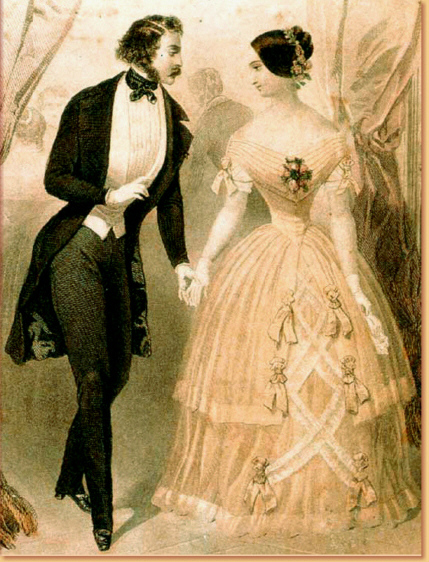
III. .creanc. Internationale Sommertanzschule 2016 vom 31.07. - 07.08.2016 in Wien
Internationale Balltänze aus der Zeit von 1830 bis 1900
Tanzkurs 1 Teilnahme von Sonntag 31.07.2016 bis Sonntag 07.08.2016 Tanzkurs 2 Teilnahme von Donnerstag 04.08.2016 bis Sonntag 07.08.2016
Grand Ball am Sonnabend 06.08.2016 in der Wiener Hofburg
(Marienbad 2010 - Wien 2012 - wieder in Wien 2016)
Deutsch: http://creanc.com/.creanc.InternationaleTanzschule-Wien2016_Balltanz.pdf
English: http://creanc.com/.creanc.InternationalDanceSchool-Vienna2016.pdf
Die Tänze
Auf dem Kursprogramm stehen Gesellschaftstänze aus dem 19. Jahrhundert aus Europa und Nordamerika, getanzt zu musikalischen Werken der Wiener Musikerfamilie Strauss. Als Neuheit werden drei Tänze angeboten:
- Die „Strauss Quadrille“, bestehend aus den sechs Figurentänzen La Bohémienne (Polka, Musik: Johann Strauss II), La Varsovienne (Varsovienne, Musik: Johann Strauss I), La Rhénane (Rheinländer, Musik: Josef Strauss), La Britannique (Galopp, Musik: Eduard Strauss), La Parisienne (Mazurka Walzer und Redowa, Musik: Josef Strauss) und Finale La Viennoise (Walzer, Musik: Johann Strauss II), vereinigt die schönsten Paartänze des 19. Jahrhunderts mit ihren jeweils typischen Quadrilleelementen in einem Tanz, musikalisch untermalt von einem Potpourri beliebter „Strauss“ - Melodien. Die Choreografie von Sylvia, aus authentischem Schritt- und Figurenmaterial arrangiert, ist der Wiener Strauss Familie in Dankbarkeit für ihre großartige Leistung gewidmet und vermittelt dem Tänzer die Vielfalt und Grazie der europäischen Gesellschaftstänze des 19. Jhds.
- Die „Cellarius Polka Quadrille“, eine international bekannte Polka Quadrille des 19. Jahrhunderts, wurde choreographiert von Jules M. Martin (1844, Philadelphia, Musik: Aron F.R. Conner, veröffentlicht 1848) und ist dem Freund des Choreografen, dem Pariser Tanzlehrer Henry Cellarius gewidmet. Diese sechsteilige Quadrille mit Cellarius’ Lieblingstanz Polka wurde seinerzeit in Paris von Henry Cellarius selbst, in London von Madame Lecomte sowie in Philadelphia von Jules Martin gelehrt und ist für diesen Kurs erstmalig rekonstruiert wurden.
- Der Wiener Walzer „An der schönen blauen Donau“ von Johann Strauss II, der als die heimliche Hymne der Österreicher gilt und jedes Jahr als Neujahrsgruß in die Welt getragen wird, soll mit seiner anmutigen Choreografie, bestehend aus authentischen Schritten, Walzerfiguren und Wiener Cotillons des 19. Jahrhunderts, und seiner Musik, von unserem Orchester nach Originalnoten gespielt, ein Höhepunkt zum Grand Ball werden.
Beliebte Tänze wie die deutsch/böhmische Polka „Bitte schön“, der Triangle Waltz Cotillon „Wiener Bonbons“ basierend auf der Choreografie von 1889 New York, beide Werke komponiert von Johann Strauss II, sowie The Princess Alice Waltz Quadrilles, choreographiert von Prof. Bland 1855 in London und getanzt zum Strausschen Walzer Erinnerung an Covent Garden werden das Tanzprogramm bereichern. Der Mazurka Walzer „Die Schwetzerin“, der die beliebte Mazurka als einen weiteren Mazurka-Paartanz neben der Redowa erleben lässt, wird basierend auf den Schrittbeschreibungen von Henry Cellarius (Valse Simple, Coup de Talon, Valse Double) kombiniert mit Polka Mazurka und Korska (Quellen ab 1840) zur Musik von Josef Strauss getanzt.
Die zwei weltweit bekanntesten Tänze des 19. Jahrhunderts und die Basis vieler weiterer Quadrillechoreografien im Balltanz und im Volkstanz sind die Quadrille Française (unterrichtet in der Wiener Fassung mit internationalen Finalfiguren, Musik: Fledermaus Quadrille von Johann Strauss II) und die „Quadrille à la cour“, bekannt als die besonders schöne Variante der Les Lanciers (Freising 1855/1885, zur Musik von Josef Strauss). Die Gisela Polka, gewidmet Gisela Louise Marie, Erzherzogin von Österreich, Prinzessin von Bayern, der Tochter von Sisi & Kaiser Franz Joseph ist eine einfache, lieblich getanzte Polka in Form einer Rondaise.
Neben der Vermittlung der beliebtesten Tänze des Ballsaales des 19. Jahrhunderts, die unsere europäische Tanzkultur hervorgebracht hat und uns darauf stolz sein lässt, werden insbesondere Schritt- und Figurentechnik, Körperhaltung und Führungstechniken im Tanz sowie die eigene Ausstrahlung und die Ausstrahlung auf den Tanzpartner geschult, um mit Freude das gesellige Tanzen genießen zu können.
Kurs 1: Tanzunterricht Montag bis Donnerstag
Strauss Quadrille | Cellarius Polka Quadrille | Walzer „An der schönen blauen Donau“ | Polka „Bitte schön“| Mazurka Walzer „Die Schwetzerin“ | Walzer Cotillon “Wiener Bonbons” | The Princess Alice Waltz Quadrilles
Kurs 1 und Kurs 2 zusammen: Tanzunterricht ab Donnerstag 14:30 Uhr bis Sonnabend
Grundlagen in Walzer, Polka und Quadrille | Quadrille à la cour | Quadrille Française (mit internationalen Finalfiguren) | Edelreigen Eröffnungstanz (Zigeunerbaron) | Gisela Polka und einfache Tänze für den Grand Ball
Tanzkurs
Montag – Mittwoch (Kurs 1) 01.08. – 03.08.2016 09:15 bis 17:00 Uhr Donnerstag (Kurs 1) 04.08.2016 09:15 bis 14:30 Uhr Donnerstag (Kurs 2) 04.08.2016 14:30 bis 17:00 Uhr (Kurs 1 fakultativ)
Freitag (Kurs 1&2) 05.08.2016 09:15 bis 16:30 Uhr
Sonnabend (Kurs 1&2) 06.08.2016 09:15 bis 12:30 Uhr
Unsere Tanzkurse finden in einem der modernen Turnsäle des Goethe-Gymnasiums (15mx27m) statt; Adresse: Goethe-Gymnasium, Astgasse 3, 1140 Wien www.astgasse.net
Übernachtungsangebot für Tänzer mit vergünstigtem Preis bei Reservierung bis zum 01.05.2016: Im Kolpinghaus Wien Zentral (beim Naschmarkt) http://www.kolping-wien-zentral.at/ Schnelle und einfache U-Bahn-Anbindung zum Kurs und in der Nähe des Ballsaals
Kosten und Frühbucherrabatt: siehe Ausschreibung (pdf)
Frühbucherpreis bei Buchung und Zahlung bis 24.11.2015; Winterpreis bei Buchung und Zahlung bis 31.03.2016; Studentenrabatt bei Buchung bis 31.03.2016 möglich
Grand Ball in der Wiener Hofburg
Unser Ball findet im schönsten Ballsaal von Wien statt, in den prunkvollen Räumlichkeiten des Kaiserpaares Elisabeth (Sisi) und Franz Joseph. Der Zeremoniensaal ist der prunkvollste Saal der Hofburg und wurde von der kaiserlichen Familie als Thronsaal genutzt.
Sonnabend 06.08.2016, ab 18:30 Uhr (Einlass 17:30 Uhr)
Adresse: HOFBURG Wien, Heldenplatz, 1014 Wien www.hofburg.com
Kleidung zum Grand Ball: Ballkleid (vorzugsweise Mitte bis Ende 19. Jahrhundert) für die Dame & einen Frack für den Herrn (Ankleidemöglichkeiten sind in der Hofburg vorhanden).
Zum Ballabend werden uns das Prager Ballroom Orchestra unter der Leitung von Dirigent Petr Chromčák, Prag - www.petrchromcak.com und Pianist Stephan Müller, Deutschland musikalisch begleiten sowie die Solisten der Wiener Operette Susanne Rath (Wien) und Nils Stäfe (Weimar/Erfurt).
Genüsslich umrahmt wird unser Ballabend von einem Galabuffet des Cateringservices der Wiener Hofburg
Anmeldungen
an Sylvia Hartung .creanc. Internationale Tanzschule für Balltanz Email sylvia@creanc.com oder sy.hartung@t-online.de
www.creanc.com & www.balltanz.de
Herzlich Willkommen in Wien im August 2016 zu einem unvergesslichen TanzEvent!
weitere Kurse und Events auf: http://creanc.com/geboten.html
creanc.InternationalDanceSchool-Vienna2016.pdf
(580.13 KB)
- Summer School
- Ball
- Course
- 19th century
- Quadrilles
- Waltz
- Intermediates
- Advanced
- Professionals