Aus der Wunderkammer der Tanzgeschichte: "La bourrée est souveraine"
Diese Veranstaltung muß leider abgesagt werden - wir werden versuchen, den Kurs zu einem späteren Zeitpunkt anzubieten!
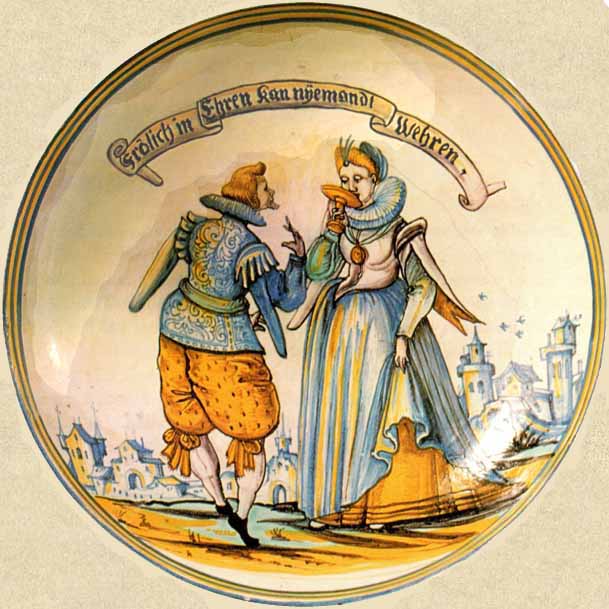
Die anonyme Darmstädter Handschrift Instruction pour dancer les dances cy apres nommez ist eines der seltenen erhaltenen Dokumente an der Schwelle zum 17. Jh., das uns einen kleinen Einblick gewährt in die einst vielfältige Welt der französischen Gesellschaftstänze um 1600-1610. Zeuge einer wenig bekannten Tanzkultur der Übergangsjahre zwischen Renaissance und Barock spielt sie eine wichtige Rolle in der Tanzgeschichte zwischen Thoinot Arbeau's Orchésographie 1588 and De Lauze's Apologie de la Danse 1623. Die darin beschriebenen Choreographien (Branlen, Passepieds, Gavotte, Courante/Volte, La Bourrée, Pavane d'Espagne) stellen für uns heutzutage einen Glücksfall dar, wenn auch die Verschwiegenheit des Autors in Fragen der Schritttechnik Herausforderungen an moderne Interpretationen mit sich bringt.
Im Zentrum des Kurses steht La Bourrée, ein Paartanz aus sechs Couplets, der musikalisch wie choreographisch erst gegen 1600 aufkommt und zum ersten Mal in der Instruction beschrieben wird. In der ersten Dekade des 17. Jhs gilt die Bourrée bereits als Favorit in der Tanzszene und ihre musikalische Rezeption verbreitet sich in den nächsten Jahren über ganz Europa. Tänzerisch ist sie eine echte Novität. Und sie verändert die Tanzwelt nachhaltig: mit ihrem Grundschritt legt sie das Fundament zu der Herausbildung des Basisschritts der barocken Tanzkultur.
Kurszeiten: Freitag 10-13h, Samstag 15-19h, Sonntag 10-13h
Preis: 110 € (zeitenTANZ-Mitglieder: 90 €)
Anmeldung (bis 14.9.) und nähere Information: s. Kontakt
- Workshop
- Early Baroque
- Intermediates
- All levels
The 47th Early Music and Dance Course in Urbino
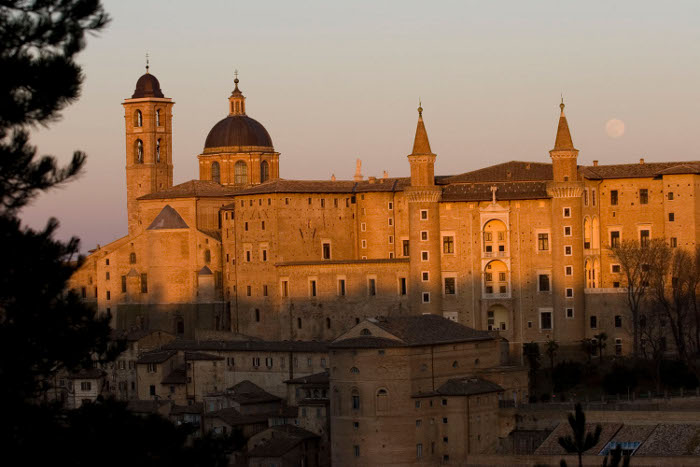
This year we will offer new opportunities for all musicians, both amateurs and professionals. First of all we recommend the Choir course held by Alessandro Quarta, aimed at staging an outstanding program planned at the end of the course including concertato psalms and motets by Händel, Scarlatti, Bencini and other wonderful unknown works.
Thanks to the introduction of two chamber music main courses, each lasting five days and held by Stefano Demicheli and Enrico Gatti, we intend to enhance one of the most valuable aspects that animate the courses in Urbino: playing together. This will be a unique opportunity, in which groups already formed will be welcome, to give life to an artistic experience of the highest level.
This year too the course offers the best teachers available in the in the world of the ‘historically informed performance practice’. Among the novelties this year we point out the singing courses with three special guests: Sara Mingardo, Lia Serafini and Claudine Ansermet, the harpsichord masterclass with Rinaldo Alessandrini, the masterclass recorder with Michael Form and the return of Alfredo Bernardini to the direction of the baroque orchestra.
The course offer will be enriched by a series of lectures held by Enrico Gatti devoted to Diminution and ornamentation in the 17th and 18th Cent. and to the “Pronuntia" of the Violin and string instruments in the 17th and 18th Cent., wich will be free for all participants.
- Summer School
- Renaissance
- Quattrocento
- Cinquecento
- Baroque
- Early Baroque
Tanzen wie Prinz und Prinzessin
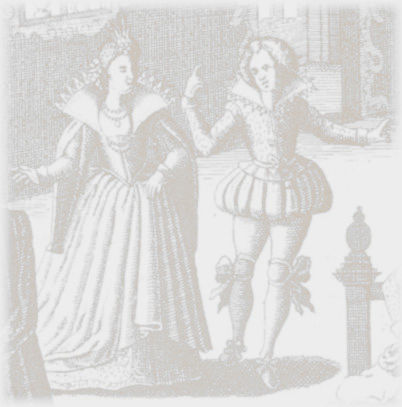
Kinder tanzen Tänze des 17. und 18. Jahrhunderts
Welche Tänze haben die Prinzessinnen und Prinzen an den europäischen Höfen vor mehreren 100 Jahren gelernt? Mit welchem Tanz durften sie zum ersten Mal beim Hofball vor dem König auftreten? Wie geht eine Reverenz oder Verbeugung - oder schüttelten sie dem König die Hand zur Begrüssung? Was genau ist ein Menuett oder eine Gavotte - tanzt man die alleine oder gibt es auch lustige Gruppentänze? Wir werden zusammen die wichtigsten Tanzschritte und Figuren lernen und auch erfahren, wie man sich als Prinz und Prinzessin am Hofe zu benehmen hatte.
Teilnehmende: mind. 8 Kinder ab 7 Jahre mit und ohne Vorkenntnisse
Kurs A: Samstag, 7.11.2015 von 10–13 und 14–16 Uhr
Kurs B: Samstag, 14.11.2015 von 10–13 und 14–16 Uhr
(die Kurse A und B können einzeln oder im Paket A+B besucht werden)
416 Kindertanz.pdf
(46.76 KB)
- Workshop
- Renaissance
- Baroque
Armide (Lully)
Armide
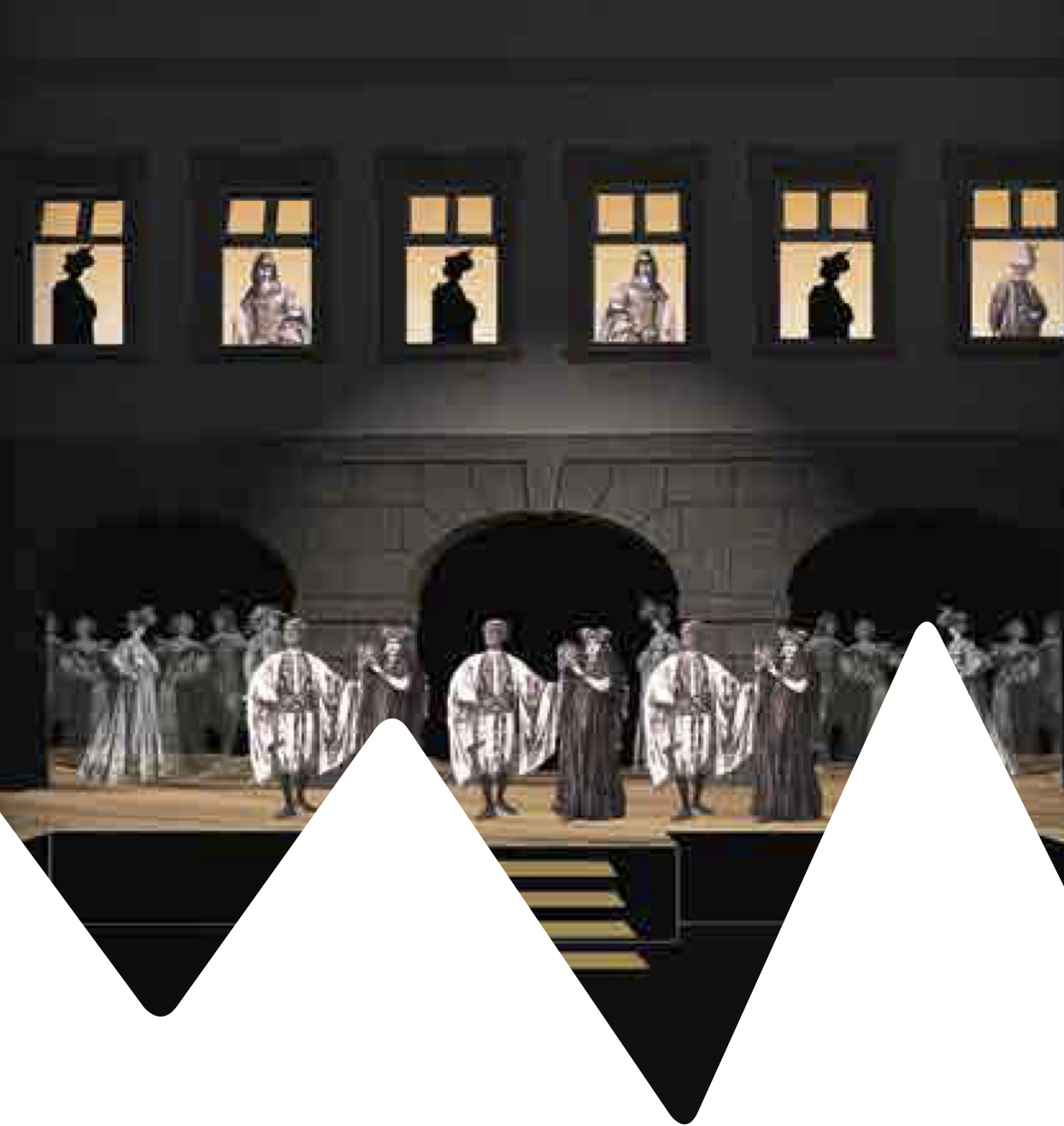
In August 2015, the Innsbrucker Festwochen der Alten Musik will stage Lully’s opera Armide, a co-production with Musikfestspiele Potsdam Sanssouci, in collaboration with Centre de Musique Baroque de Versailles, Nordic Baroque Dancers and orchestra Les Folies Françoises.Armide bild 2
Tragédie en musique in 3 acts by Jean-Baptiste Lully (1632-1687)
Libretto by Philippe Quinault (based on Torquato Tasso’s La Gerusalemme liberata)
First performed in 1686 in Paris
Musical direction Patrick Cohën-Akenine
Stage direction and choreography Deda Cristina Colonna
Scenography and light design Francesco Vitali
Orchestra Les Folies Françoises
Dance company Nordic Baroque Dancers
Armide bildDance rehearsal director Karin Modigh
Singers:
Armide Elodie Hache (soprano)
Renaud Joao Pedro Cabral (tenor)
Phénice Daniela Skorka (soprano)
Sidonie Miriam Albano (soprano)
Hidraot Pietro di Bianco (bass baritone)
Aronte/Ubalde Tomislav Lavoie (bass)
Artémidor Jeffrey Francis (tenor)
Le chevalier danois Enquerrand de Hys (tenor)
Nordic Baroque Dancers:
Caroline Copeland (US)
Noah Hellwig (SE)
Guillaume Jablonka (FR)
Robert Le Nuz (FR)
Karin Modigh (FR/SE)
Adrian Navarro (DE)
Performances at Innenhof der Theologischen Fakultät, Innsbruck, Austria
22, 24, 26 August 2015
- Performance
- Baroque
- Professionals
III - Festival Renacentista "Princesa de Eboli" - Taller de Danza Renacentista
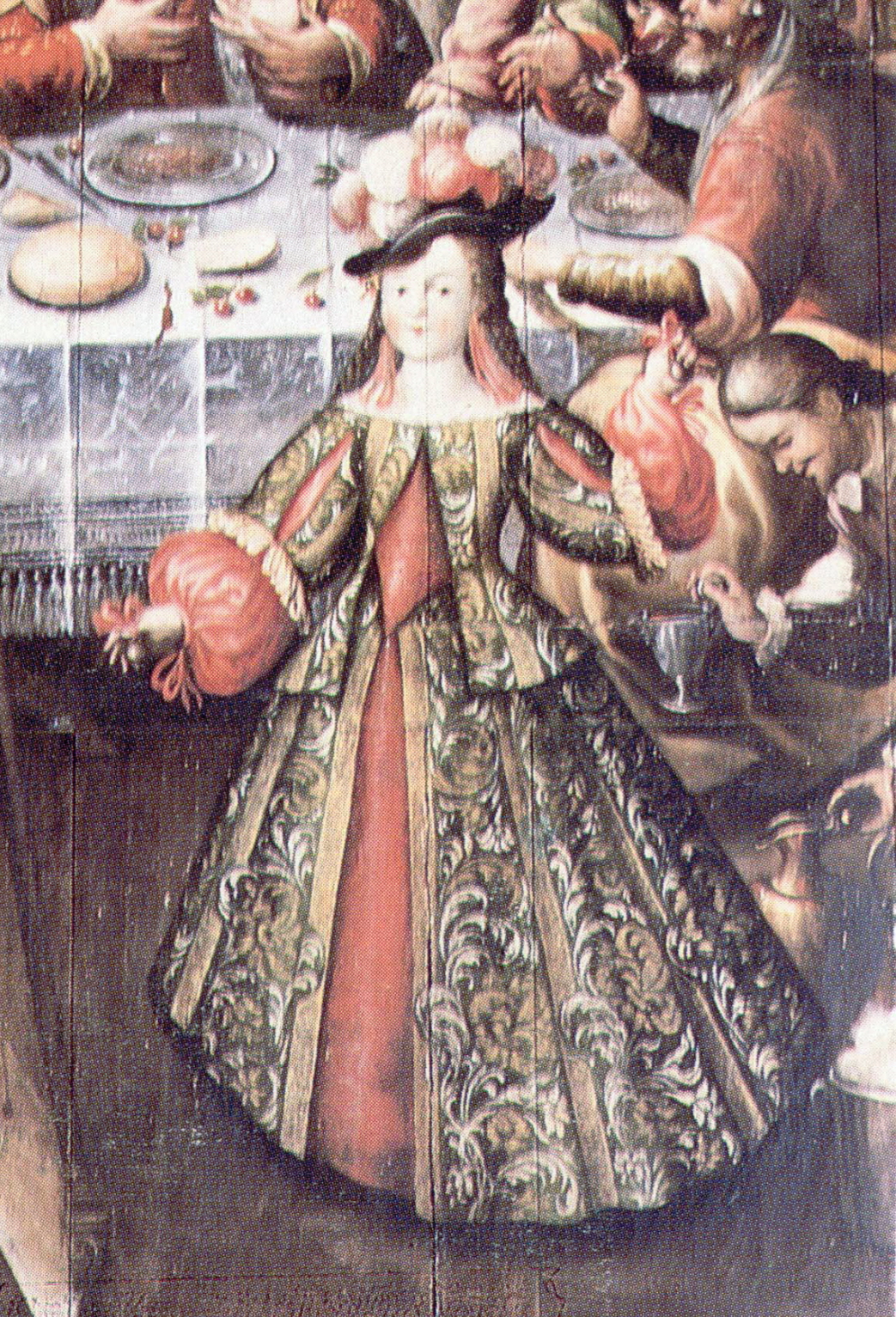
Renanssance dance of te Eboli Princess time - Taller libre y gratuito
20h. - Plaza de la Constitución
PINTO (Madrid)
- Workshop
- Renaissance
- All levels
Wilde Skythen – sanfte Nymphen: Tänze aus der Ballett-Oper "Cythère assiégée" von Gluck
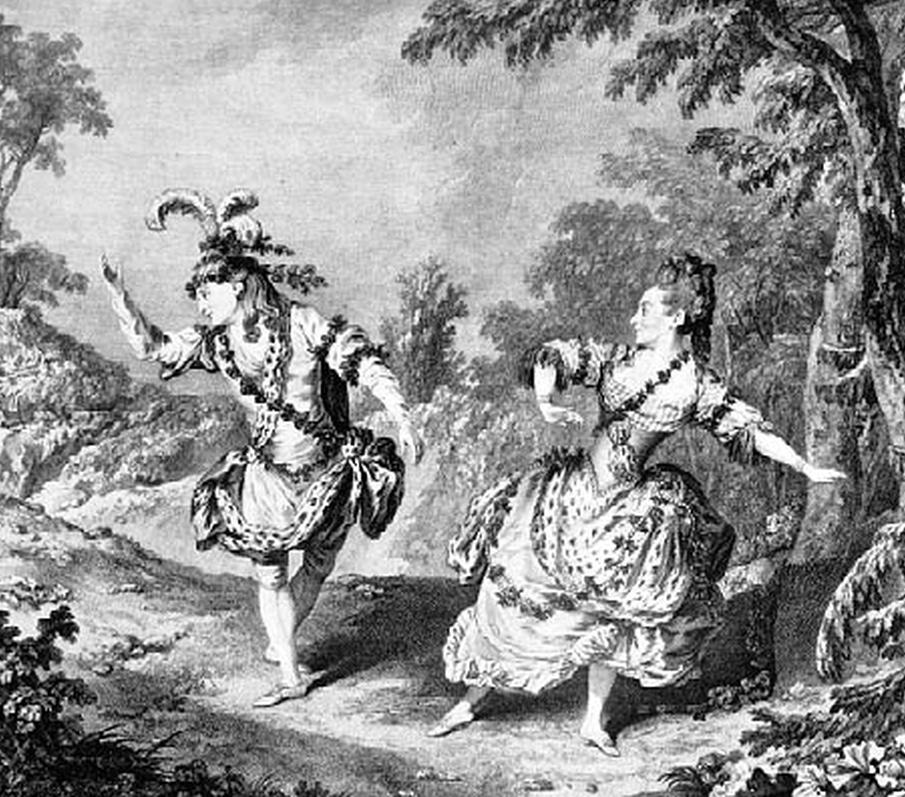
Glucks Ballettoper „Cythère assiegée“ (Das belagerte Cythère), 1775 in Paris uraufgeführt, steht im Mittelpunkt unseres Seminars. Cythère ist eine fiktive idyllische Insel, auf der die Liebe herrscht. Wilde Skythen drohen dieses Reich zu zerstören, aber – natürlich – durch die Macht der Liebe kommt alles zu einem guten Ende. Zu schönster Musik reihen sich die Ballette aneinander: glückliche Nymphen, raue, keulenschwingenden Skythen, fröhliche Hirten und edle Götter. Originale Choreographien sind nicht überliefert, die Tänze sind von Jadwiga Nowaczek neu choreographiert. Grundlage dafür sind Schrittmaterial aus dem „Trattato di Ballo“ (1779) von Gennaro Magri und die um 1770 hochmodernen Ideen des Reform-Balletts mit einer pantomimisch geprägten Art der Darstellung, ausgehend von Noverre und Angiolini.
Der Workshop findet statt in Zusammenarbeit mit Frau Professor Daniela Philippi vom Institut für Musikwissenschaft in Frankfurt. Frau Prof. Philippi betreut die Gluck-Gesamtausgabe und wird im Kurs eine thematische Einführung halten.
Anmeldung bei LAG Tanz Hessen, f.wagler@gmx.de
- Workshop
- Rococo
- All levels
Gerhart Hauptmann Schule
Jadwiga
Ercole amante by Francesco Cavalli
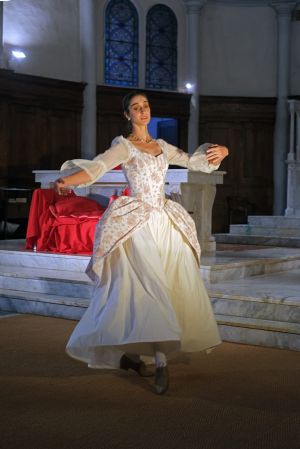
Un stage de production d'opéra pour musiciens amateurs Cycle II et III, pré-professionnels baroques, mais pas qu'eux !
Chant - Ensemble vocal - Cornet à bouquin - Violon - Flûte à bec - Viole de gambe Violoncelle - Danse baroque - Clavecin - Orgue - Basse continue - Alto
La Cie du Globe convie tous les musiciens à ce grand RV d'opéra du 20 au 27 août en Ardèche à Meyras
Les professeurs :
- Sandrah Silvio Chant
- Fabrice Vernette Violon - Alto
- Catherine Escure Cornet - Flûte à bec
- Pierre Trocellier Clavecin - Basse continue
- François Koehl Viole - Violoncelle
- Akiko Henry-Veaux Danse baroque
Cours individuels, partiels d'orchestre, répétitions en Tutti, Danse ...
4 h/j de Technique vocal e et travail sur les Choeurs pour les choristes ...
Un spectacle final avec mise en espace !
dans l'Eglise de Thueyts (Ardèche) le 26 au soir !
Le Programme musical :
Ercole amante de Francesco Cavalli (larges extraits), composé en 1662 pour le mariage de Louis XIV et Marie-Thérèse d’Autriche, est écrit pour soprano, contre-ténor, ténor, basse, chœur et orchestre : violon, alto, violoncelle, cornet à bouquin, flûtes à bec, traverso, hautbois, viole de gambe, luth, clavecin orgue positif et danse.
Enregistrement de Ercole Amante : http://www.amazon.fr/Ercole-amante-Francesco-Cavalli/dp/B000001Z2Z/ref=sr_1_cc_1?s=aps&ie=UTF8&qid=1430824707&sr=1-1-catcorr&keywords=cavalli+ercole+amante
DVD : http://www.amazon.fr/s/ref=nb_sb_noss_2?__mk_fr_FR=%C3%85M%C3%85%C5%BD%…
Cours individuels
Chaque stagiaire reçoit un cours individuel tous les jours. Pour les chanteurs solistes: travail technique, et de leurs Airs. (les choristes et les musiciens d’orchestre participent à toutes les activités collectives, sans cours individuel).
Option activité supplémentaire
3 séances d' 1/2 h sont proposées à ceux qui veulent s'initier à un autre instrument. Tarif : 74 €. Préciser à l'inscription l'option choisie. (facultatif)
Technique vocale pour les Choristes Nouveau ! cf page 5
Danse baroque Nouveau : Atelier ouvert au public externe !
1 h 30/jour Atelier ouvert à tous : stagiaires, choristes, accompagnateur. Akiko HENRY-VEAUX danseuse professionnelle, abordera les pas de base de la danse baroque. Pas de compétence spéciale requise. Tarif : 50 € / semaine 1ere séance ouverte à tous.
Apéro-Concert
Ce concert, le 25 août au soir est une scène ouverte gérée par les stagiaires eux-mêmes, qui montent le programme de leur choix.
Diapason
L'orchestre est à 415 hz. Tempérament : Vallotti
Partitions
Vous les recevrez par courrier 1 mois avant le stage, afin de les travailler, ce qui est indispensable pour monter l’opéra en 7 jours ! (tarif : 0,13 €/p + port). Les photocopies ne sont plus envoyées après le 20/07. Vous pouvez aussi recevoir la partition en pdf et l’imprimer.
- Workshop
- Performance
- Summer School
- Baroque