Liebe Tanzfreunde und Freundinnen,

Liebe Tanzfreunde und Freundinnen,

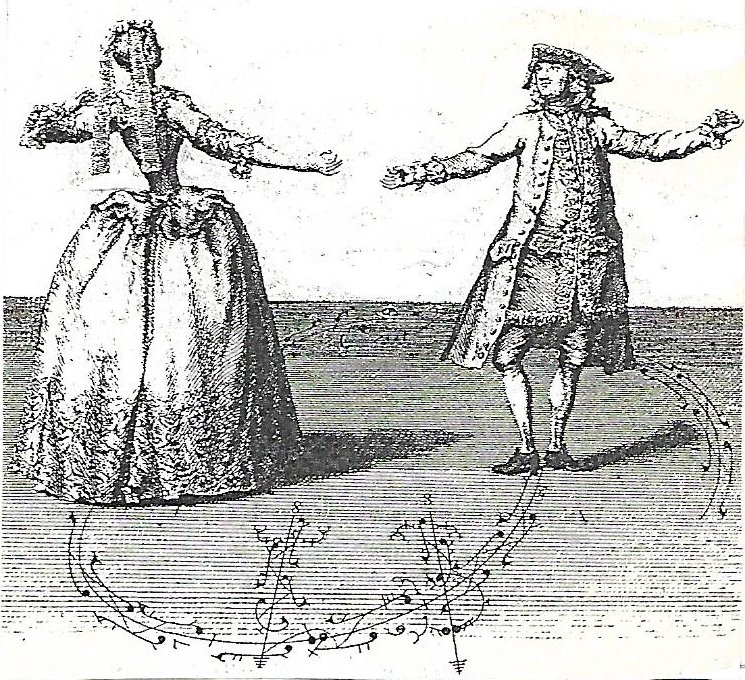
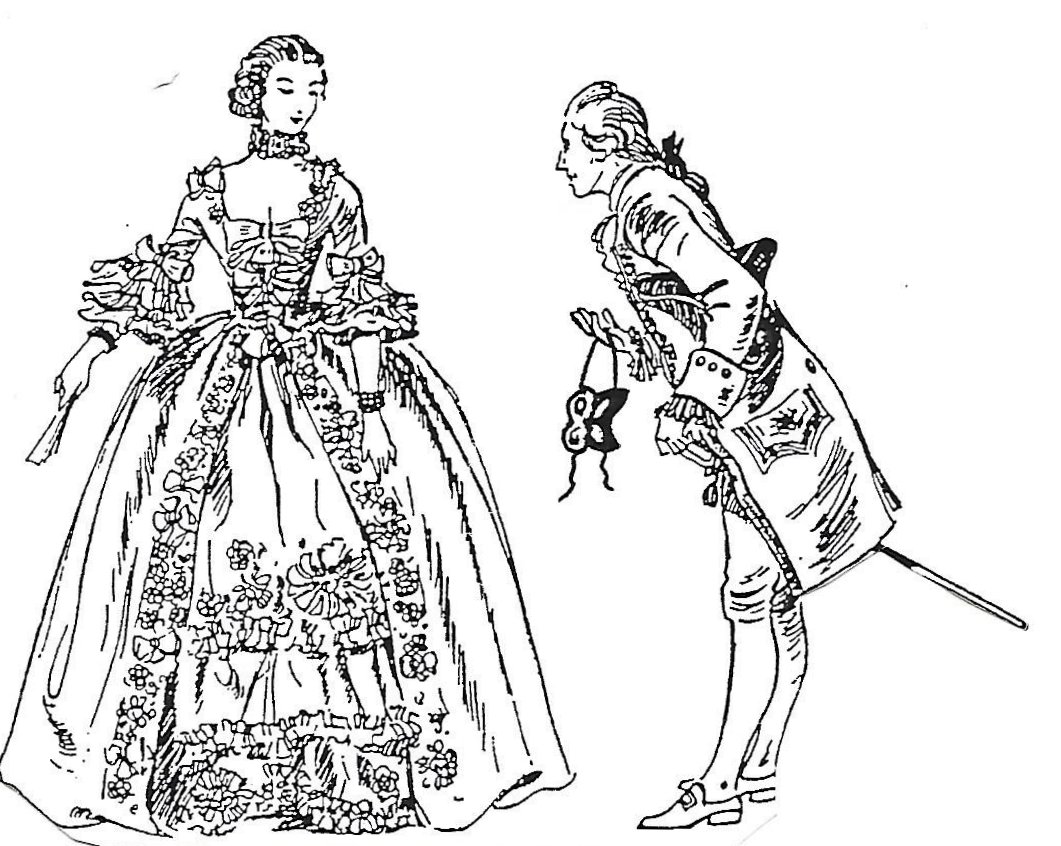
<p>La Carlstadt is a fine danse à deux composed by Dubreil in Munich, 1730. It cosists of three short dances in a row: Musette (in the character of a Gavotte), a short Minuet and a Bourrée. You will experience some little changes in the steps that were in use in the 1730s. We made a set for baroque instruments as only the melody - most likely by Dubreil himself - exists in the manuscript. We will apply intensive step training as well as exercises of port de bras. We will have a close look on the notation itself - so be prepared if you like to join.</p>

“LEAD UP – Scottish Country Dances”: masterclass with Giorgia De Luca in Rome (Italy)
Organized by Il Teatro della Memoria in connection with ROIS – Rome Irish & Scottish Dance School.
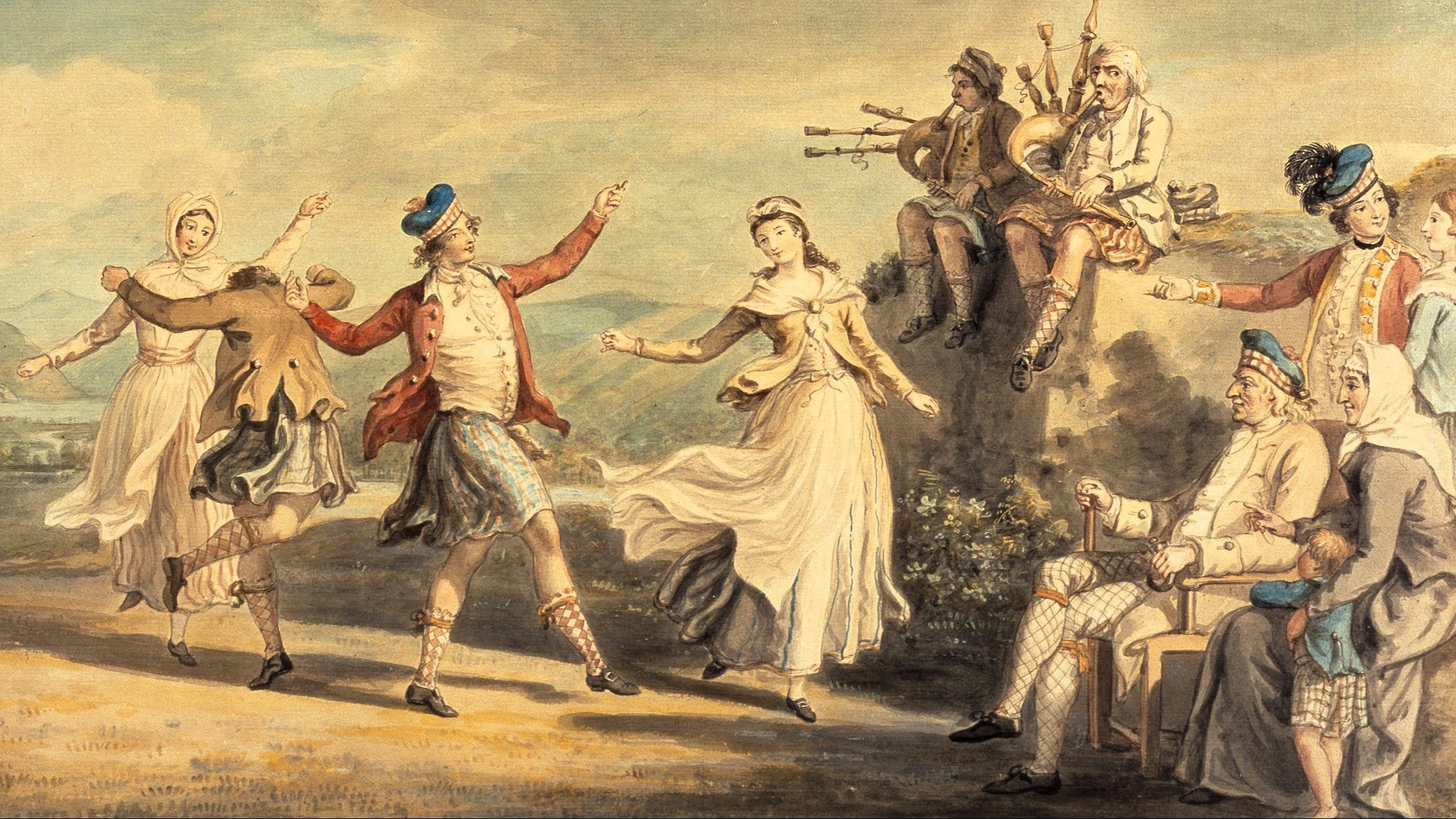
Two days devoted to the study of early 19th century social dances reconstructed after the period dance manuals along with forms still in use today, underlining the elements of continuity.
The April 13-14 weekend is subdivided in two modules: it's possibile to attend only one or both. The dances of the first module are different from those of the second.

Weekend workshop for all lovers of classical music. We will learn dances by Mozart (Contretanz in E flat major from the collection KV 600), Haydn (Menuet à six), Dittersdorf (Anglaise), Beethoven (Ècossaise). You will need a certain country dance excperience and the knowledge of two baroque steps: pas de bourrèe and pas de menuet. If you don't know them: just ask somebody to show you!

Jennifer Thorp schreibt über die Tänze des englischen Tanzmeisters Isaac, er schaffe dances of such quality that they still pose remarkable challenges to dancers working on them today. (Danse Research Vol. 24, No. 2 Winter 2006, S. 117). Dieser Herausforderung wollen wir uns im Intensivkurs Barocktanz im kommenden Sommer in Zell an der Pram stellen. Über Isaac selbst, so bedeutend er auch für den Tanz am englischen Hof war, ist kaum etwas bekannt. Nicht einmal sein Vorname kann zweifelsfrei ermittelt werden.

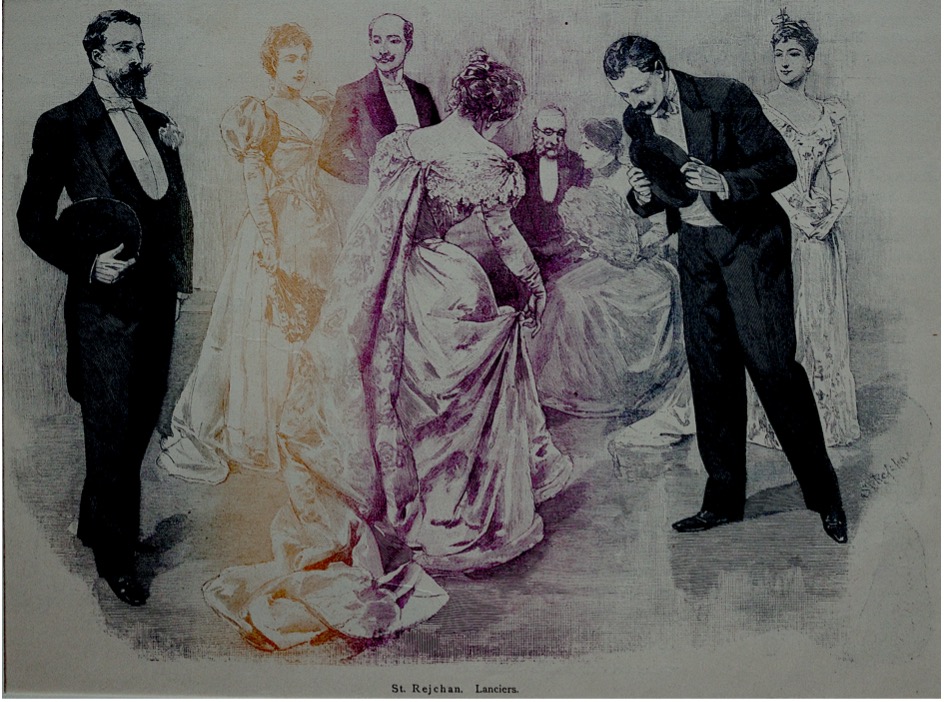
Schon im frühen 19. Jahrhundert tanzte man in Großbritannien „The Lancers“. In Deutschland hingegen kam diese Quadrille erst in den 1850er Jahren in Mode, mal als „Lanciers“, mal als „Quadrille à la Cour“ bezeichnet. Es handelt sich um einen fröhlichen, fünfteiligen Vierpaartanz mit abwechslungsreichen Figuren. Bis zum ersten Weltkrieg gehörte der Tanz neben der artverwandten Quadrille Française zum Standardrepertoire auf jedem Ball. Wie bei der Française gab es auch Versionen in Kolonnenform, bei denen man etwas flexibler bei der Anzahl der tanzenden Paare ist.