Aula de Música - Universidad de Alcalá de Henares (Madrid)
+3491885 2426
Colegio de Basilios - C/ Colegios, 10
Alcalá de Henares Spain
See map: Google Maps
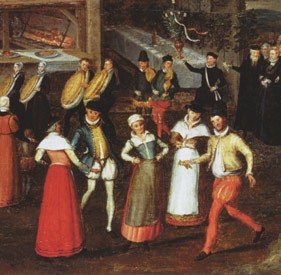
This year the course will explore the early 15th century—dance forms which were in existence already in the late 1300s in music, images (for ex. Giotto, Lorenzetti) and literature (Boccaccio). The choreographies will be based on a study of these sources and the contemporary dance-types: rounds, open chains and serpentines, couples dancing in processionals and solo saltarello dances. Recent texts by musicologists and other specialists will be discussed.
The first balli by Domenico of Piacenza and Guglielmo Ebreo will also be learned.
Ore 18.30
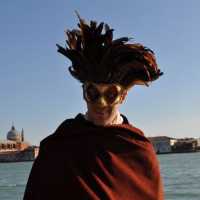
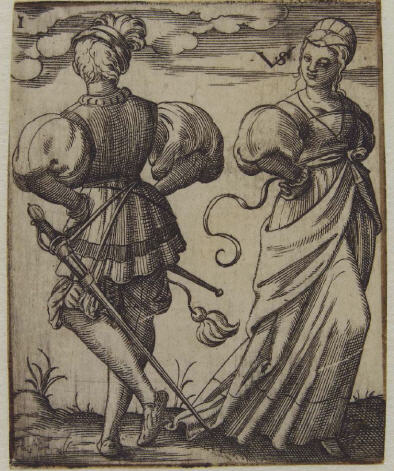
Performance di danza e musica antica con Marco Bendoni, Letizia Dradi, Bruna Gondoni liuto e tiorba, Emilio Bezzi
Ore 20.00
Cena e proiezione video ‘A.D.A. 2003-2013
Cari soci e amici,
con piacere v’inoltriamo quest’invito speciale al festeggiamento del Decennale A.D.A., al quale spero aderirete in tanti.
Ringraziamo fin d’ora tutti coloro che hanno reso possibile quest’evento e soprattutto i nostri docenti e musicisti che si sono resi disponibili per la performance prevista.
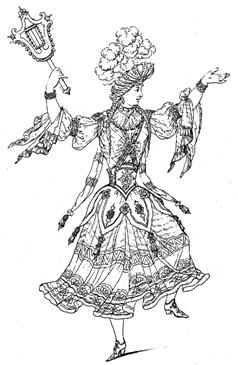
Nous vous proposons 2 disciplines, danse renaissance italienne et danse baroque, quatre cours dans la journée pouvant être choisis séparément ou à la suite. Un cours comprendra au total 10 heures d’enseignement.
Programme danse renaissance Italienne
Ce programme vous sera communiqué ultérieurement.
Programme danse baroque
• Débutant : Je vous propose un parcours dansé sur les formes faisant partie de la suite française (courante, sarabande, bourrée, rigaudon, gigue, menuet, chaconne, passacaille).
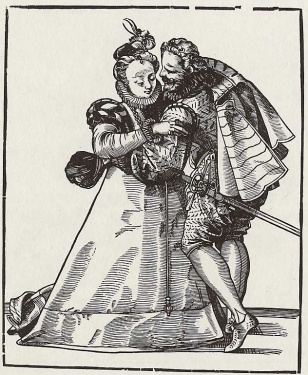
„Zum heiteren Leben lädt Amor uns ein …“
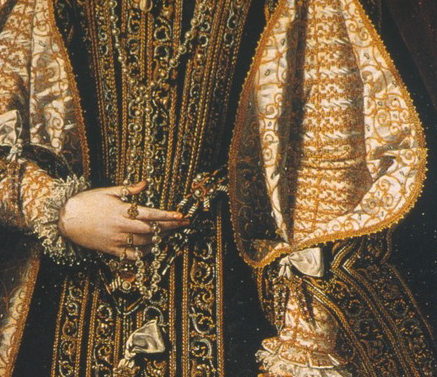
Während man sich im ausgehenden 16. Jahrhundert in den übrigen Ländern Europas gerade bemühte, die Errungenschaften der italienischen Renaissance zu kopieren, suchte man in Italien bereits wieder nach neuen Ausdrucksformen, die die Werke eines Raffaels, eines Bramantes oder eines Leonardos ablösen sollten. Auch die Tanzkunst an den italienischen Fürstenhöfen hatte in den letzten Jahrzehnten eine neue Gestalt angenommen, wie sie uns in den Tanzbüchern Carosos und Negris überliefert ist.

26./27. January and 16./17. February*
Historical Dances of 17th and 18th cent.,
Level: Beginners. Two succeeding weekends containing the basics of
Late Renaissance Early Baroque Dances.
BERLIN/GERMANY Info: VHS Reinickendorf, +49 30 90 294 4800
26./27. January and 16./17. February*
Historical Dances of 17th and 18th cent.,
Level: Beginners. Two succeeding weekends containing the basics of
Late Renaissance Early Baroque Dances.
BERLIN/GERMANY Info: VHS Reinickendorf, +49 30 90 294 4800
Saturday 16 March
Saturday 20 April
In the Autumn, students studied a short balletto (Caroso) and selected variations of the Canarie (Santucci). This workshop will continue with these themes looking at the set dances and improvised forms of c.1600.
Honouring the dance milieu of the two queens of France, Marie de Medici and Marguerite de Valois, participants (both newcomers and previous attendees) will be guided in the dance steps and skills of the period.
10:00 Registration and coffee/tea
10:30 Workshop commences
17:00 Workshop finishes
In dem Workshop wird zur Musik von „Si dolce e l'Tormento“ eine Choreographie von Lieven Baert erarbeitet.
Kenntnisse in italienischer Renaissance-Schritttechnik (Caroso, Negri) sind Voraussetzung für die Teilnahme.