Festival of Historical Dance
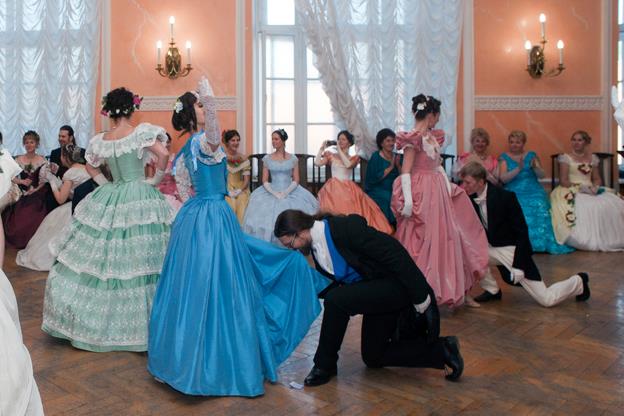
We would like to invite you to one of the greatest dancing events of the year in Moscow – the annual Festival of Historical Dance. It will take place from 20 to 27 August 2017.
It is going to be a fascinating week full of dance classes, dance evenings and the magnificent Grand Ball in one of the historic buildings in the centre of Moscow.
Most of the classes will be conducted by Arnaud Degioanni, the head of the famous “Carnet de Bals” Historical Dance Association and the main teacher of the Festival.
At the Festival you will also have the opportunity to see the development trends and achievements of the best Russian Historical Dance Schools.
There will be organized 8 special dance classes and seminars on 19th century ballroom dances as well as etiquette, costumes and hair styles. These meetings will be conducted by young and talented teachers from all over Russia.
Notable dance events of the Festival will include the Opening Ball for all the participants, the Empire Ball and the Ball of Modern Era with lots of dances of the early XX century.
The pinnacle of the whole dance week will be the Grand Ball which will take place on the 26 August in one of the most beautiful halls of the Russian capital.
The webpage: fit-msk.com
If you have any questions: info@trianon-studio.ru
- Workshop
- Summer School
- Ball
- 19th century
- Quadrilles
- Regency
- Waltz
- Costumes
- mixed
- Intermediates
- Advanced
- All levels
22nd SUMMER SCHOOL OF SOCIAL DANCES OF EUROPEAN TRADITION
22nd Summer School July, 29 - August, 26, 2017
Villa Massimo, Landro di Gioiosa Marea, Messina, Italy
Social dance of European tradition Società di Danza
Director: Fabio Mòllica Stage of 19th century dance.
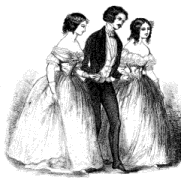
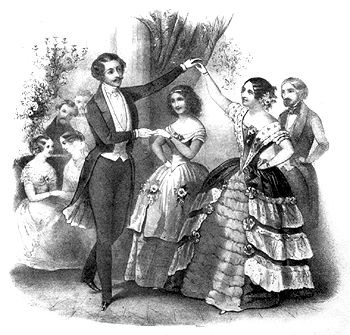
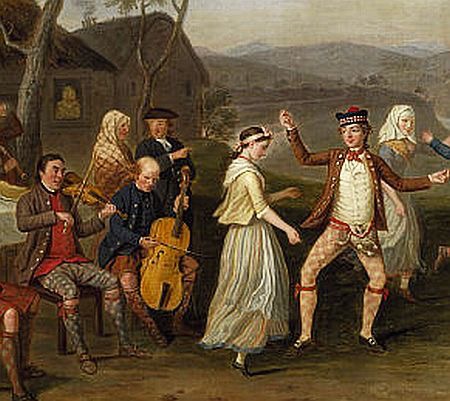
Quadrille, Waltz, Polka, Mazurka and Scottish country dances.
The traditional Summer School of Società di Danza will be held this year in Villa Massimo, Landro di Gioiosa Marea.
Three weeks of holiday and dance.
Classes in the afternoon, dancing evening and free time to enjoy the sea.
We will study 19th century dance: waltz, quadrille, polka, mazurka and Scottish Country Dance. Classes are in larve open air covered dance spiace with a wooden floor.
Some evenings will be devoted to dancing parties.
For further information and registration:
- Summer School
- 19th century
- All levels
Grand Ball
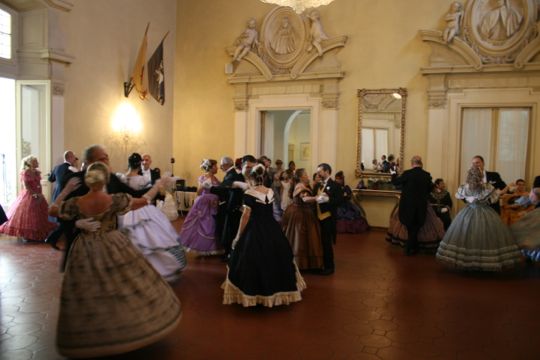
Grand Ball
19th Century Grand Ball
2.6.2017, Villa Viviani
Via G D'Annunzio 230, Firenze
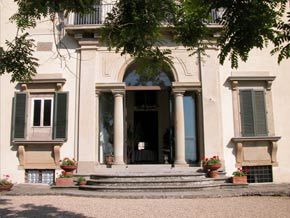
Società di Danza organizes a 19th Century Grand Ball in the beautiful Villa Viviani
Waltzes, quadrills, polka and mazurkas, contredanse and marches, Scottish country dances.
The ball will take place in the charming ancient salon of Villa Viviani.
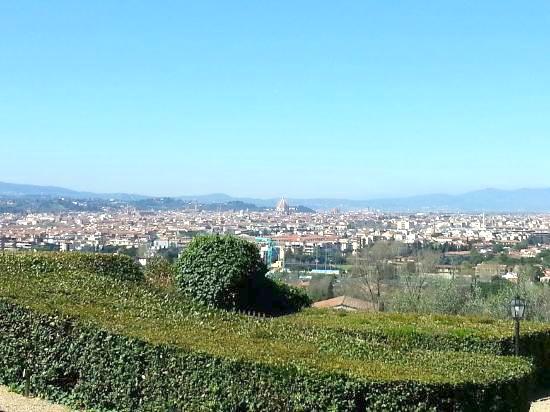
The historical villa has also a beautiful italian garden with a scenographic view of the City
The buffet will be served at the of the Ball.
Participation by invitation.
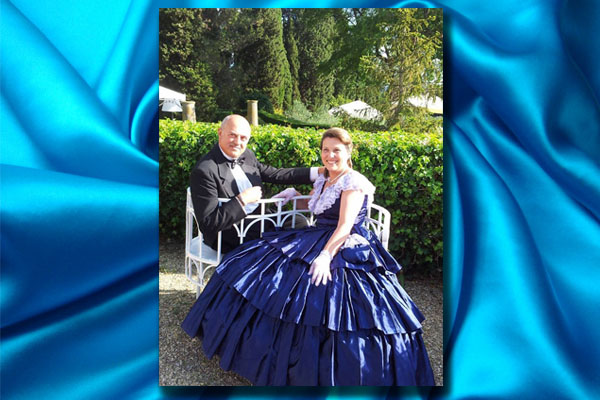
Dress code: 19th Ball dress romantic period.
To participate contact
Società di Danza Firenze
- Ball
- 19th century
- All levels
Ball im Schloss zu Schwetzingen
"Kurfürst Carl Theodor – ein gar echtes Glücksschwein"
Tauchen Sie beim Ball durch die Jahrhunderte tanzend in die
Festkultur des Schwetzinger Schlosses ein - von der Renaissance bis in die Neuzeit.
Der Geschichte verpflichtend, wird Sie der Maître de plaisir gebührend empfangen und durch eine rauschende Ballnacht führen.
Beginn: 19.00 Uhr Einlass ab 18:30
Das Salonorchester Caprice spielt zum freien Tanz auf
___________________________________________________________________________________________________
Die Kosten: Ball EUR 60,00 (Variante 4)
zu einem Aufpreis von EUR 30,00 (Variante 3 / 90 Euro) gibt es am
Sonnabend zur Einstimmung von 9 - 13 Uhr eine Ballvorbereitung,
die einfache Mitmachtänze vermittelt
Formulare zur Anmeldung und weitere Details finden sie unter www.idanzatoripalatini.de oder schicken sie eine Mail an idapa_ball2017@email.de
______________________________________________________________________________________________________________________
- Ball
- Renaissance
- Baroque
- 19th century
- All levels
Workshop
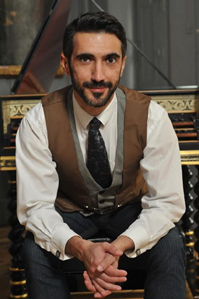
Workshop mit Dr. Ricardo Barros
Der Workshop ist geeignet für:
Paare und auch einzelne Tänzerinnen und Tänzer. Allgemeine Tanzerfahrungen sind erwünscht. Es ist aber auch für weniger geübte Tänzer ein passender Einstieg, um die wunderbare Welt des historischen Tanzes erstmalig zu entdecken.
Trainer: Ricardo Barros - Leiter der Mercurius Company, England, gibt weltweit Kurse für Renaissance- und Barocktanz und I Danazatori Palatini
Tänze: Renaissance: Pavane und Whole in the Wall
Barock: Solo Menuett nach Musik von Friedrich II, La Matelotte, La Croix de Lorraine, Whole in the Wall
19. Jahrhundert: Fledermaus-Quadrille
__________________________________________________________
Veranstaltungsort:Schwetzingen Vereinshaus Bassermann, Marstallstr. 51 / am Samstag Kammermusiksaal Schloss Schwetzingen
Die Kurszeiten: Do 07.09.2017 14:00 - 18:00 Uhr, Fr 08.09.2017 09:30 - 17:30 Uhr
und Sonnabend 09.09.2017 09:30 - 13:00 Uhr
Der Ball: Sonnabend 09.09.2017 19.00 Uhr
- Workshop
- Renaissance
- Baroque
- 19th century
- All levels
Grand Ball 'della Seta'
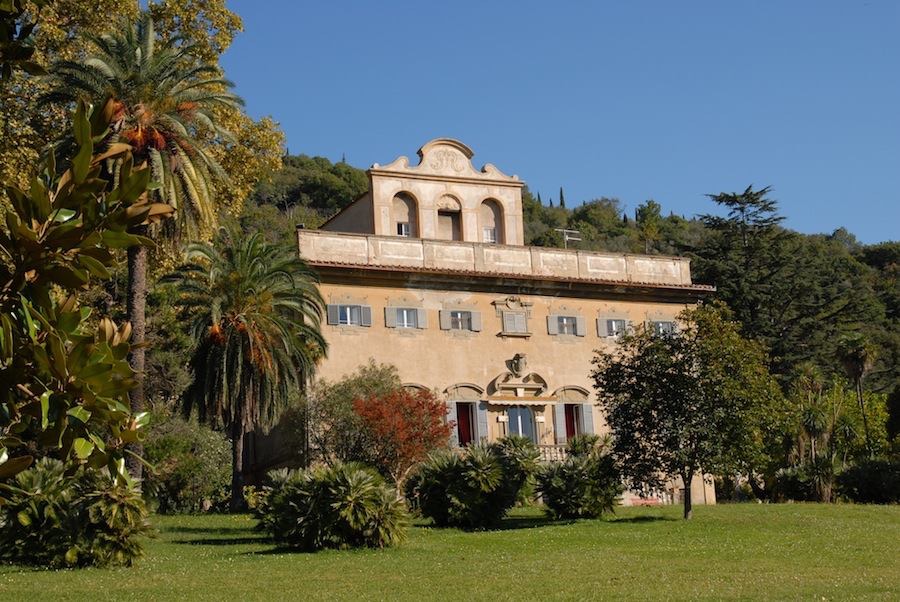
Gran Ballo della Seta
19th Century Grand Ball
30.4.2017, Villa della Seta di Corliano
San Giuliano Terme (Pisa)
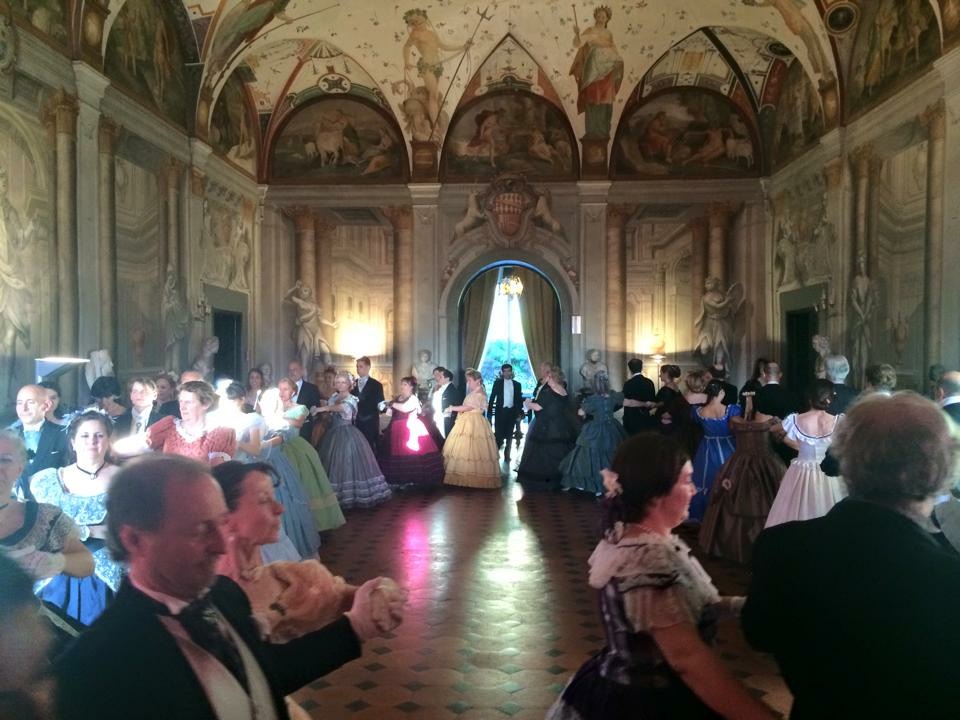
Circolo Pisano della Società di Danza organizes anreconstruction of a 19th Cenntury grand Ball in the marvellious historical Villa Agostini della Seta di Corliano, close to Pisa.
Quadrilles, waltz, polka and mazurkas, contredanse and marches, Scottish country dance and aglio.
The ball will take place in the elegant and charming main salon with ancient frescoes of Villa della Seta di Corliano.
The buffet will be served in the beautiful park with secular plants.
Villa di Corliano is recognized as one of the most beautiful renaissance Villas in Tuscany. Participation by invitation.
Dress code: 19th Ball dress romantic period.
To participate contact
Circolo Pisano della Società di Danza
- Ball
- 19th century
- All levels
Internationale Tanzschule für BallTanz mit Grand Ball "Kaiserliche Weihnacht" - International Dance School and Grand Ball "The Imperial Christmas"
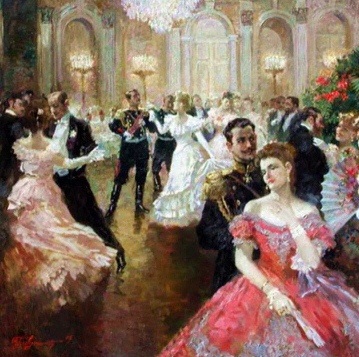
Internationale Tanzschule im Advent für Gesellschaftstanz des 19. Jhd. mit Grand Ball "Kaiserliche Weihnacht" - Advent International Dance Course and Grand Ball "The Imperial Christmas"
Deutsch: http://creanc.com/ITS_Tanz-Kurs-Ball-2017_KaiserlicheWeihnacht_Dresden.pdf
English: http://creanc.com/International-Dance-School-2017_ImperialChristmas_Dresden.pdf
- Varsovianna Quadrilles
- Märchen Walzer Quadrille
- Deutsche Redowa
- Petersburger Schlittenfahrt - Galopp
- Christmas Anglaise (Triplet)
- Quadrille à la cour (zur Musik von Josef Strauss)
Die Tänze zum Kurs | Dances
* „Varsovianna Quadrilles“ Die Varsovienne Quadrille, entnommen dem Tanzbuch „Ballroom Monitor“ von Professor C. Brooks, Philadelphia von 1866, ist eine besonders schöne und einzigartige Mazurka Quadrille, die die Paartänze Varsovienne (Warschauer Mazurka), Polka-Mazurka und den Mazurka-Walzer mit typischen Quadrille-Elementen des 19. Jahrhunderts in ihren 5 Figurentänzen kombiniert.
The Varsovianna Quadrilles appeared in the “Ballroom Monitor” dance book by Professor C. Brooks, published in Philadelphia in 1866. It is an exceedingly beautiful and unique mazurka quadrille, which combines the couple dances Vasovienne (Warsaw mazurka), polka-mazurka and mazurka-waltz with the typical 19th century features. It consists of 5 figures.
* „Märchen Walzer Cotillon-Quadrille“ Fairy Tale Waltz Cotillion Quadrille Aus der Ballettkomposition „Das Tanzmärchen“ von 1890 entstammt dieser romantische Märchen-Walzer des Wiener Komponisten Josef Bayer. Für den Ballsaal erhielt der mehrteilige Walzer fünf Quadrillefiguren, die benannt sind nach den Märchen der Gebrüder Grimm: Schneewittchen, Aschenputtel, Hänsel und Gretel, Frau Holle und Dornröschen … märchenhaft schön!
Its origin can be found in Das Tanzmärchen (The Dance Fairy Tale) waltz composition by Josef Bayer of Vienna, from 1890. Arranged for the ballroom, it contains 5 quadrilles, each named after a story from the fairy tale collection by Brothers Grimm: Snow White, Cinderella, Hansel and Gretel, Frau Holle (The Old Mother Frost) and Sleeping Beauty ..... all wonderfully enchanting!
* „Deutsche Redowa“ German Redowa Seit etwa 1829 wurde ein Volkstanz erwähnt mit dem Namen Rèjdowák, der in die Prager Ballsäle Einzug hielt. Im Jahr 1835 beschreibt der deutsche Tanzlehrer J.G. Häcker erstmalig eine Rejdouva, getanzt im ¾ Takt. Die „La Redowa“ und der „Redowa valse“ wurde 1845 in Paris in den Ballsaal eingeführt, in London im Jahr 1846 durch Mr. Coulon. Zu einer der schönsten Redowa- Musikkompositionen, in Boston 1869 als „German Redowa“ veröffentlicht, entstand nun eine Paartanz-Choreografie, die die Redowa in ihren bezaubernden Tanzvariationen für den Ballsaal präsentiert.
From about 1829, a folk dance Rejdovák, introduced at the Prague ballrooms, started spreading abroad. We have the description of this dance in ¾ rhythm, named as Rejdouva, from dancing master J.G. Häcker from 1835. The Redowa and Redowa waltz reached Paris by 1845, and the following year it was introduced to London by Mr Coulon. In 1869 the music of the dance was published in Boston as “German Redowa” with charming variations for the ballroom dance floor.
* „Petersburger Schlittenfahrt Galopp“ St. Petersburg Sleigh Ride Galop Das bekannte musikalische Werk des Berliner Komponisten Richard Eilenberg (1886) gibt den musikalischen Schwung für eine kleine Galopp- Quadrille.
A well-known musical piece by Berlin composer Richard Eilenberg (1886) gives a tuneful sparkle to this little galop quadrille.
* „Christmas Anglaise“ Als Triplet, mit jeweils 3 Damen und 3 Herren in Gegenüberaufstellung, werden vier in sich abgeschlossenen Figurentänze im chassé-jété-assemblé Schritt getanzt, mit den Namen 1. Advent, 2. Advent, 3. Advent und 4. Advent. Die Choreografie basiert auf Originalfiguren von Adam Rabel aus Wien um 1850. Die weihnachtlich erklingende 4. Figur wird nicht nur mit „Jingle Bells“ zu einem Höhepunkt.
Danced in a triple-minor formation, 3 ladies facing 3 gentlemen, with chassé-jété-assemblé step, this dance consists of four figures, named 1st, 2nd, 3rd and 4th Advent. The choreography is based on the original figures by Adam Rabel (Vienna) from about 1850. The 4th figure will no doubt create Christmassy atmosphere with the Jingle Bells tune.
* „Quadrille à la cour“ ist die deutsche Form der Quadrille Les Lanciers, unterrichtet seit 1855 in Berlin. Mit den Figuren La Dorset (Les tiroirs), La Victoria (Les lignes), Les moulinets, Les visites und Finale à la cour entstammt unsere Choreografie dem Leitfaden für Tanzunterricht von Amint Freising aus den Jahren 1885/1892. Die weltweit beliebte Quadrille zeichnet sich durch schöne Figuren und anmutig wirkende Referenzen aus. Wir werden die Quadrille à la cour zur mitreißenden Musik von Josef Strauss tanzen.
This is a German version of Les Lanciers (The Lancers) quadrille, how it was taught in Berlin from 1855 on. Our choreography of the figures La Dorset (Les tiroir), La Victoria (Les ligne), Les moulinets, Les visites, and the Finale à la cour will follow the instructions of the dancing master Amint Freising from 1885/1892. We will dance this world-known quadrille to the exciting music of Josef Strauss.
* Zur Ballnacht stehen zusätzlich zu den im Kurs unterrichteten Tänzen freie Wiener Walzer und Polkas aus der Zeit der Strauss-Familie auf dem Tanzprogramm neben geselligen, einfachen Tänzen.
On the Ball Night’s programme will be dances learnt during the course and we shall further enjoy a variety of Viennese watzes and polkas from the era of the Strauss family, plus some other simple dances.
Tanzkurs-Zeiten | Dance classes timetable
- Mittwoch Wednesday 13.12.2017 - 09:00 bis 17:00 Uhr
- Donnerstag Thursday 14.12.2017 - 09:00 bis 17:00 Uhr
- Freitag Friday 15.12.2017 - 09:00 bis 17:00 Uhr
- Sonnabend Saturday 16.12.2017 - 09:00 bis 13:00 Uhr
Kursort und Tanzraum | Address of the course dance hall
Tanzsaal im Tanzstudio „Tres Tangos“ Dornblüthstraße 16, 01277 Dresden http://www.tres-tangos.de
Ballnacht „Kaiserliche Weihnacht“ im Kronensaal der Belétage von Schloss Albrechtsberg Dresden
The „Imperial Christmas“ Ball Night will take place in the Crown Hall of the Albrechtsberg Palace, Dresden
Bautzner Straße 130 | 01099 Dresden www.schloss-albrechtsberg.de
Festliche Veranstaltung in Ballkleidung, Frack für den Herrn & Ballkleid für die Dame
Preferred dress code: 19th century fashion (tails for gentlemen, ball gowns for ladies)
Schenken Sie sich unvergessliche Freude zur Adventszeit mit einem stilvollen Ball und Solisten der Wiener Operette! Wir freuen uns auf ein Wiedersehen und Kennenlernen!
Treat yourself to an unforgettable pre-Christmas pleasureof attending our course and the elegant ball! We look forward to seeing you (again)!
Sylvia (www.creanc.com)
- Ball
- Course
- 19th century
- Quadrilles
- Waltz
Pfingst - Balltanzkurs in Dresden - Whitsun Social Dancing (19th century dances)
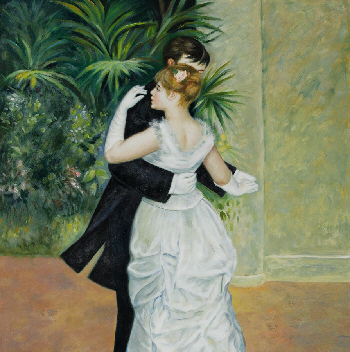
Internationale Tanzschule für Gesellschaftstanz aus dem 19. Jahrhundert - Balltanz
International Dance School in social dancing of the 19th century
Deutsch: http://creanc.com/Pfingst-Balltanz-Kurs_Dresden-2017.pdf
English: http://creanc.com/Whitsun-Dancing_Dresden-2017.pdf
Wir laden herzlich ein zum Balltanzkurs zu Pfingsten mit Walzer, Polka, Mazurka, Schottisch (Rheinländer) und Quadrillen in verschiedenen Varianten!
- La Parisienne (Danse Novelle, Giraudet, Paris, 1890)
- Waltz Quadrille No. 2 (Walzer – Française, New York, 1879)
- Galop Cotillon Tour "Flick Flock" und weitere Tänze aus dem 19. Jahrhundert
Tänze zum Kurs | Dances
* La Parisienne (Danse Novelle, Giraudet, Paris, 1890)
Eugène Giraudet choreografierte im Jahr 1890 in Paris als den neuen Modetanz („Danse Novelle“) der Saison ein schönes Medley namens „Die Pariserin“, bestehend aus den beliebten Paartänzen des späten 19. Jahrhunderts. Giraudet lässt den Tänzer mit seiner Choreografie die Paartänze Valse à troix temps (Giraudet-Walzer), die Mazurka (in Variationen), den Schottisch (in Variationen) und die französische Polka in einem einzigen Tanz erleben, indem er durch ein wiederkehrendes Arrangement, getanzt im Glissé-Schritt, die einzelnen Paartänze miteinander galant verbindet. Die Musik hierfür erfand der Komponist Fèlix Chaudoir, auch bekannt als der Komponist der Quadrille Giraudet.
In Paris, in 1890, the choreographer Eugene Giraudet introduced as the hit of the season (“Danse Novelle”) a charming medley, composed of the favourite couple dances of the late 19th century. He called it “The Parisian” (La Parisienne). In it he incorporated the couple dances Valse à troix temps (the beautiful Giraudet waltz), mazurka, schottische (Schottisch polkée valsée and variations) and the French polka. Danced with glissé step, the choreography enables the dancing couples to interact in a gallant style. The music was supplied by Felix Chaudoir who is also known as a composer for the Quadrille Giraudet.
* Waltz Quadrille No. 2 (Walzer – Française, New York, 1879)
Die Waltz Quadrille, 1879 im Waltz Instructor, New York notiert, verschönert im späten 19. Jahrhundert die bereits zu Beginn des 19. Jahrhunderts entstandene Quadrille Française mit einer neuen Variante, in der einige Touren der Française durch den Sechs-Schritt-Walzer ausgetauscht werden. Zu einer hierfür speziell komponierten Musik von W. Allen lässt diese Walzer Quadrille, getanzt in carré- Aufstellung mit alternierendem Quadrille- und Walzerschritten in den bekannten Figuren Le Pantalon, L’Eté, La Poule, La Pastourelle und Finale den Tänzer seine beiden Lieblingstänze Quadrille Française und Walzer in einem Tanz genießen.
The Waltz Quadrille first appeared in Waltz Instructor, New York, in 1879. The Quadrille Française, popular since the early 19th century, was embellished with a new variation – the original quadrille step being replaced in some figures by a six-step-waltz. The music, composed by W. Allen retains the known format of five parts: Le Pantalon, L’Eté, La Poule, La Pastourelle and the Finale. The quadrille is danced in the usual square sets and allows the dancers to enjoy “quadrilling” and waltzing in one dance.
* Galop Cotillon Tour "Flick Flock" (Feuerwehr Galopp) - Galopp für 16 Personen (Berlin, 1861)
Am 01.12.1861 wurde im „Bazar“, einer Berliner Damenmodezeitschrift, dieser spitzige Galopp veröffentlicht als Tanz für 8 Paare. Pate für diese Choreografie von Herrn Baltz, dem Inspektor der königlichen Oper und des Balletts in Berlin, und die Musik hierfür war das in Berlin erfolgreich uraufgeführte und lange Zeit beliebte Komische Zauberballett „Flicks und Flocks Abenteuer“. Den Zweitnamen „Feuerwehr-Tour“ erhielt diese schöne Galopp- Choreografie dadurch, weil seinerzeit die Ballett-Tänzer in Kostümen der Berliner Feuerwehr auftraten. Unser Cotillon vermittelt nicht nur verschiedene Galopp-Variationen, sondern auch wie Bühnentänze als Balltänze für die tanzende Gesellschaft arrangiert wurden. Aus der Aufstellung in einem Viereck werden in der Cotillon-Tour verschiedene Paartanz- und Cotillonfiguren vereint und final abgeschlossen mit einer großen Galopp-Promenade.
On 1st December 1861, the Berlin fashion magazine “Bazar” published this fanciful galop as a dance for 8 couples. It was choreographed by the Inspector of the Berlin Opera and Ballet theatre, Mr Baltz, who was inspired by, and used the music of, the popular contemporary comic ballet “The Adventures of Flick and Flock”. The tile’s double act performed this galop on stage, dressed as the Berlin firemen. Our cotillion will bring out not only the different galop variations, but will also apply the stage arrangement adapted for the ballroom dance floor. The variation of couple dances and cotillion figures in a square set up will be concluded with a grand galop promenade.
… and more dances of the 19th century
Kurszeiten | Course Timetable
- Freitag 02.06.2017 09:00 bis 17:30 Uhr
- Sonnabend 03.06.2017 09:00 bis 17:30 Uhr
- Pfings-Sonntag 04.06.2017 09:00 bis 14:00 Uhr danach Café im Carolaschlösschen (1873, im Großer Garten Dresden)
- Pfings-Montag 05.06.2017 09:00 bis 13:30 Uhr & Video zu denTänzen
Kursort & Tanzsaal | Dance Venue
Tanzsaal im Tanzstudio „Tres Tangos“
Dornblüthstraße 16, 01277 Dresden
Herzlich Willkommen zu Pfingsten in Dresden!
Weitere Balltanz-Kurse - siehe: http://creanc.com/tanzkurse-events/balltanz-tanzkurs-event
- Summer School
- 19th century
- Quadrilles
- Waltz
Das Casseler Tanzalbum
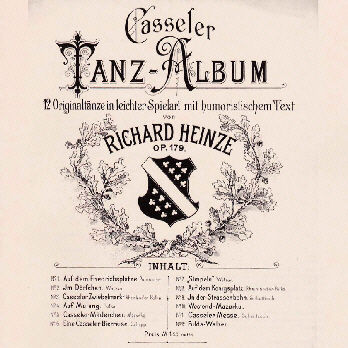
"Das vor mehr als 100 Jahren erstmalig erschienene „Casseler Tanz-Album. 12 Originaltänze in leichter Spielart mit humoristischem Text“ ertanzt die ganze Stadt Kassel. Beginnend mit einer Polonaise „Auf dem Friedrichsplatze“ über eine Mulang-Polka und Westend-Mazurka führt uns das Album bis hin zum Walzer „An der Fulda grünem Strande“.
Das Lied No. 6 „Eine Casseler Bierreise“ beginnt im „Stadtpark“. Dort fanden im Sommer regelmäßig Militärkonzerte statt. In dem großen Garten gab es das erste Freilichtkino Deutschlands. Dann geht es weiter „Zur Tante“, gelegen am Friedrichsplatz/Ecke Obere Karlsstraße. „Zur Tante“ war wohl eins der vornehmsten Cafés und Weinlokale am Platz, nachmittags mit Musik. Die „Bärenkammer“ lag am Pferdemarkt und zeichnete sich durch ihre reiche Innenausstattung aus, bei der unter anderem Hermann Knackfuß, der 1880 an die Kasseler Akademie berufen wurde, und der Kasseler Gaststättenmaler Theodor Matthei mitgewirkt hatten. „Jetzt seh’n wir das Dörfchen winken“. Mit dem „Dörfchen“ ist die Unterneustadt gemeint, die man zu Fuß über die Drahtbrücke erreichen konnte."
Die Notensammlung von den Freunden des Stadtmuseums Kassel e.V. herausgeben ist im pan-Verlag erschienen. Nun ist es an der Zeit, dass diese Sammlung von fröhlicher und stimmungsvoller Tanzmusik auch wieder mit den Schritten und Figuren des 19. Jahrhundert getanzt werden. Diese Aufgabe möchten wir unserer Referentin und Expertin in Ball- und Salontänzen des 19. Jahrhunderts Sylvia Hartung anvertrauen, die in ganz Deutschland und im benachbarten Ausland unterrichtet.
Für Tanz-Paare, aber auch einzelne Tänzer und Tänzerinnen mit allgemeinen Tanzerfahrungen im Volkstanz, Standardtanz, Historischen Tanz oder anderen Tanzbereichen.
(Paartanzerfahrung erwünscht, 10 Unterrichtsstunden a 45 min.)
LAG Tanz Hessen: Kursausschreibung LINK
Tanzkurs mit Sylvia Hartung | Balltanzschule Dresden
Unsere Tänze
- Walzer "An der Fulda grünem Strande"
- Mazurka "Casseler Mäderchen"
- Rheinländer Polka "Auf dem Königsplatz"
- Schottisch "Casseler Messe"
und Wissenschwertes zu Gemeinsamkeiten und Unterschieden von Polka, Schottisch und Rheinländer
Zur Ausschreibung des Kurses: http://creanc.com/Balltanz_Casseler-Tanzalbum_Kassel-2017.pdf
- Workshop
- 19th century
Winter Ball 1873
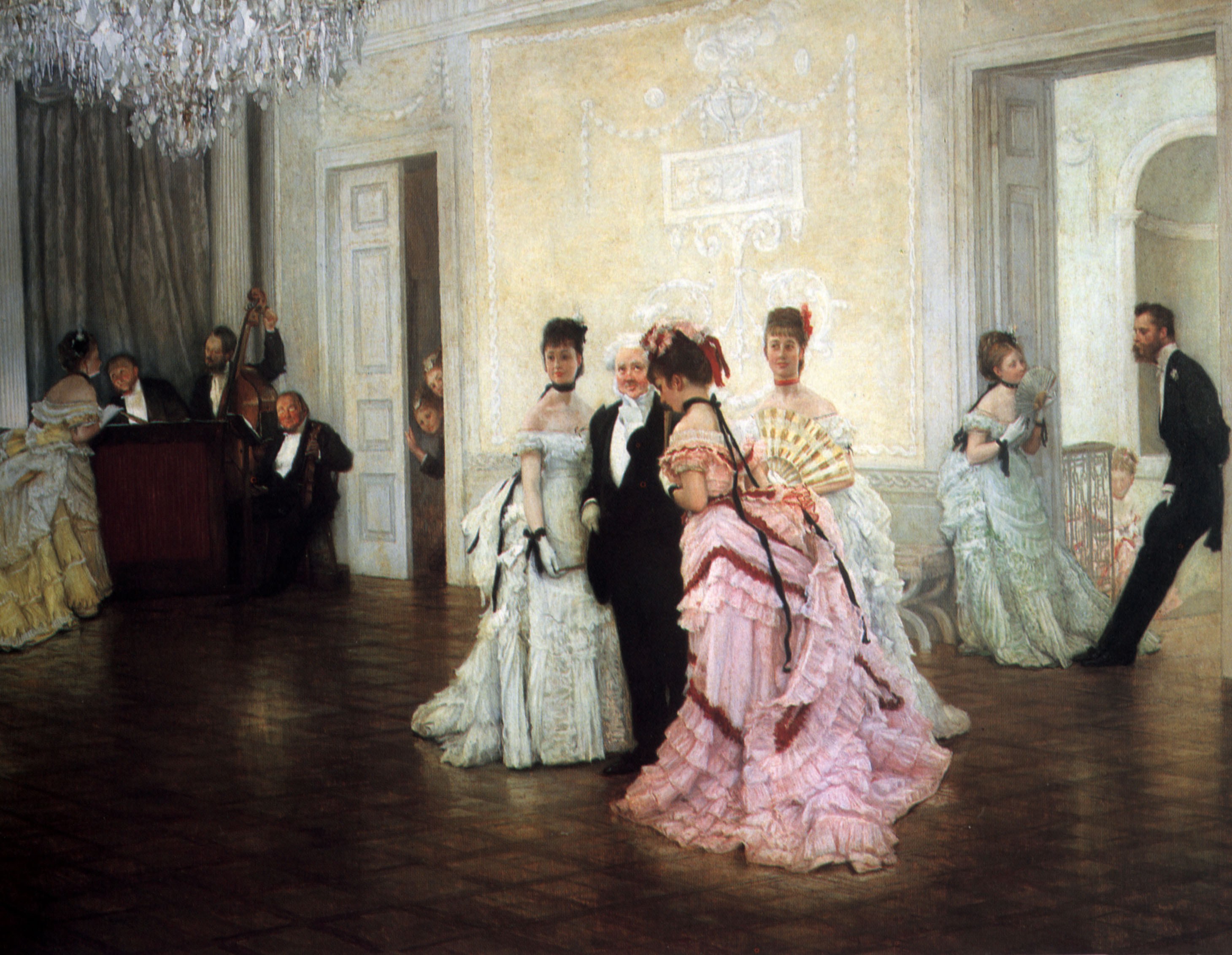
The Winter Ball at Castle d’Ursel is a fine tradition. On Saturday 25 November 2017 we are welcoming you again, with flickering candles on the drive, drinks and refreshments in the mirrored room and of course an extensive programme of dances in the hall. This year's theme will be 1873.
In 1873 Johann Strauss composes "Wiener Blut", a waltz that even today most of us would recognise. A year later Strauss becomes even more famous with his operetta "Die Fledermaus".
Ballrooms all over Europe are under the spell of the waltz, but also the polka and the mazurka – and their variations like the redowa and the varsovienne – add swing to every dance evening. At the same time classic quadrilles remain popular - and new variations are created, like the much danced Fledermaus Quadrille. In France, there is a renewed love for the rococo period, and 18th-century dances are reinterpreted and danced again.
Accompanied by period music ensemble, dancing master Lieven Baert will stand ready to guide you in the steps and figures of this rich tradition. A free training session will be held in the afternoon before the ball.
Dresscode for the Winter Ball is the fashion of 1873: first bustle, queu de Paris or tournure for the ladies, dark tail coat and trousers for the gentlemen.
In between times you can explore the upper floors of the castle and pose with your party for our house photographer. As usual, we will prepare some interesting side activities and refreshments in the adjacent salons.
Accommodation will be available at Het Laathof, the youth tourism centre on the castle estate, both of Friday 24 and Saturday 25 November.
Interested to dance at the Winter Ball? Then let us know quickly, as the number of places is limited!
You can also find this event on Facebook (https://www.facebook.com/events/239184503199417/).
Practical information
• Saturday 25 November 2017 (doors open at 19h30, ball begins at 20h and last dance after midnight)
• Admission: 65 € (includes dance training session from 14 to 17h and drinks and refreshments during the ball)
• Bed and breakfast at Het Laathof: 35 € per person per night (basic accommodation, possibly with shared bathroom). Please specify the number of nights.
• Reservation for ball and for accommodation at Het Laathof: info@kasteeldursel.be
• Payment: your reservation will only be confirmed after full payment of the admission fee and the accommodation (BE54 0910 1850 4797, BIC: GKCCBEBB, mention: ‘Winter Ball’)
- Ball
- 19th century
- All levels